Keeping it real: Follow me on Instagram
If you’re keen to stay updated on my professional life and get a behind-the-scenes look at what I’m up to, head over to Instagram. While I promise myself every new season that I’ll prioritise my website, the reality is that I often find myself drawn to other things – like immersing myself in a captivating role, catching up with my partner, recording podcasts for a friend, or diving into a good book (usually a biography or something work-related).
So, if you want a sneak peek into my musical world, Instagram is the place to be.
On to the main news: the new season 24/25!
The Staatstheater Darmstadt’s motto is “Worauf hoffen” – pretty big words given the current political and environmental climate. It’s tough keeping up with the news at the moment. I’m searching for ways to stay informed and engage in dialogue without feeling overwhelmed or hopeless. I’m grateful for my work during these times. Singing is like deep breathing, you know? To dedicate yourself to music and art, you have to open yourself up and release tension – it’s an incredible gift when the world around you is in crisis.
On a more positive note, I’m on an exciting vocal journey right now. My voice is evolving in all sorts of ways, and I’m trying my best to support and nurture this process. Together with my trusted confidants, I’m exploring the dramatic repertoire. It feels thrilling and completely right.
The season in Darmstadt was planned a while ago, and not all the roles I’m singing this season align perfectly with what I feel is my absolute strength right now (check the calendar) . But I hope to have more time and energy to work on new and interesting roles in my practice room, and that I’ll be invited to exciting productions, projects, and auditions. I’m also looking forward to finding new and inspiring collaborators.
There is hope!
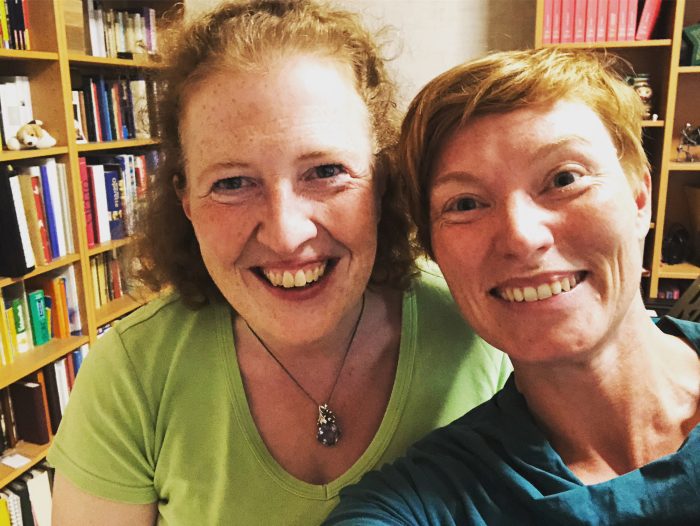
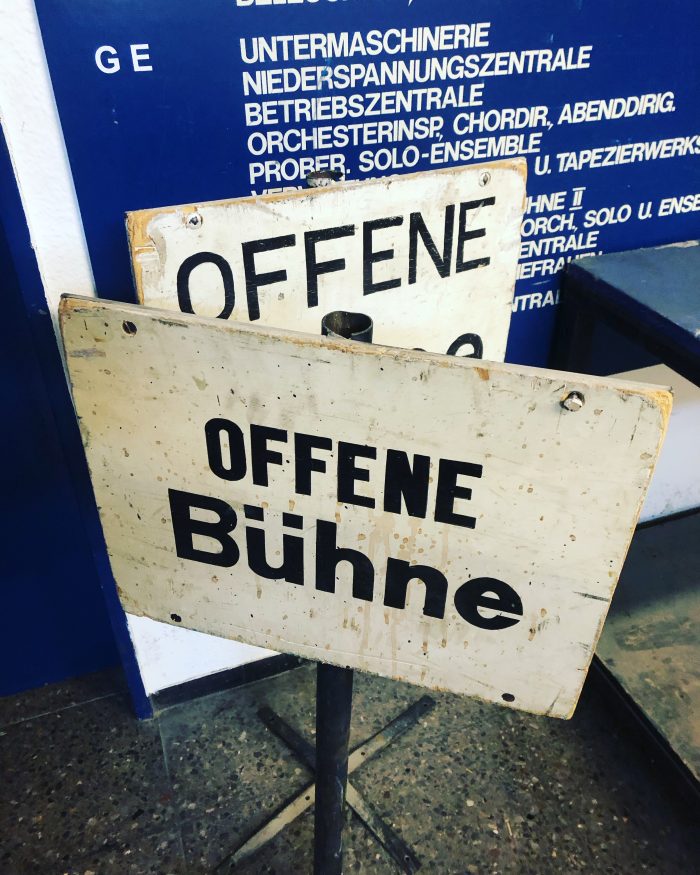
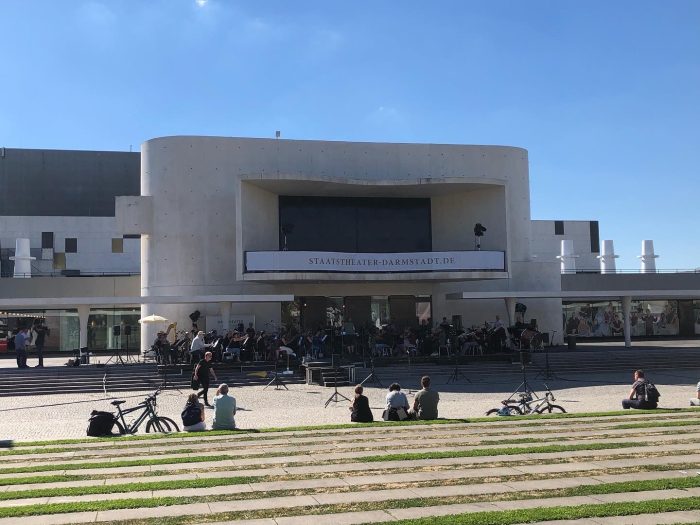
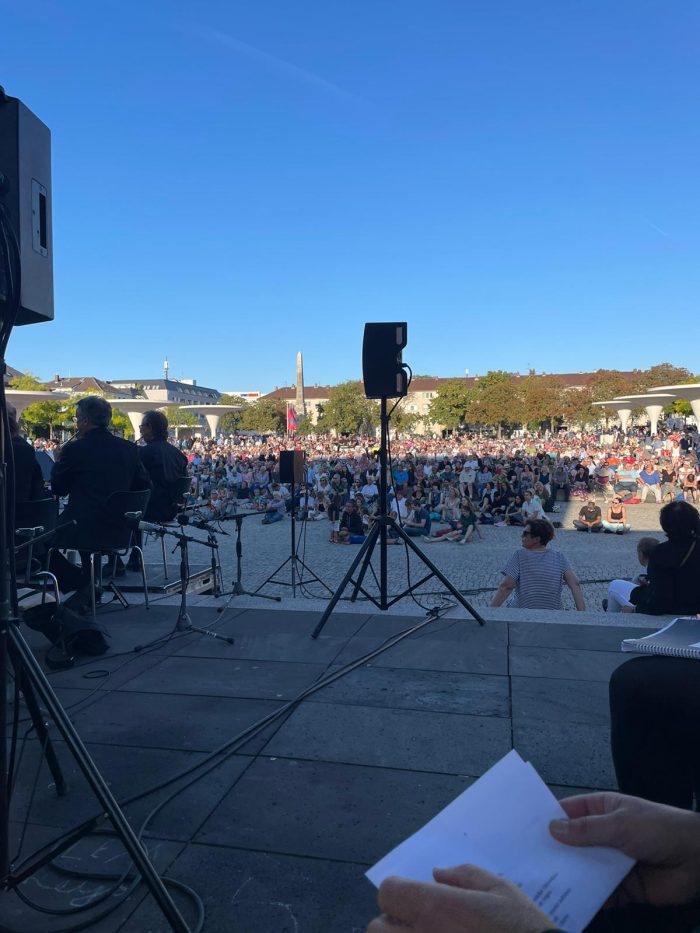
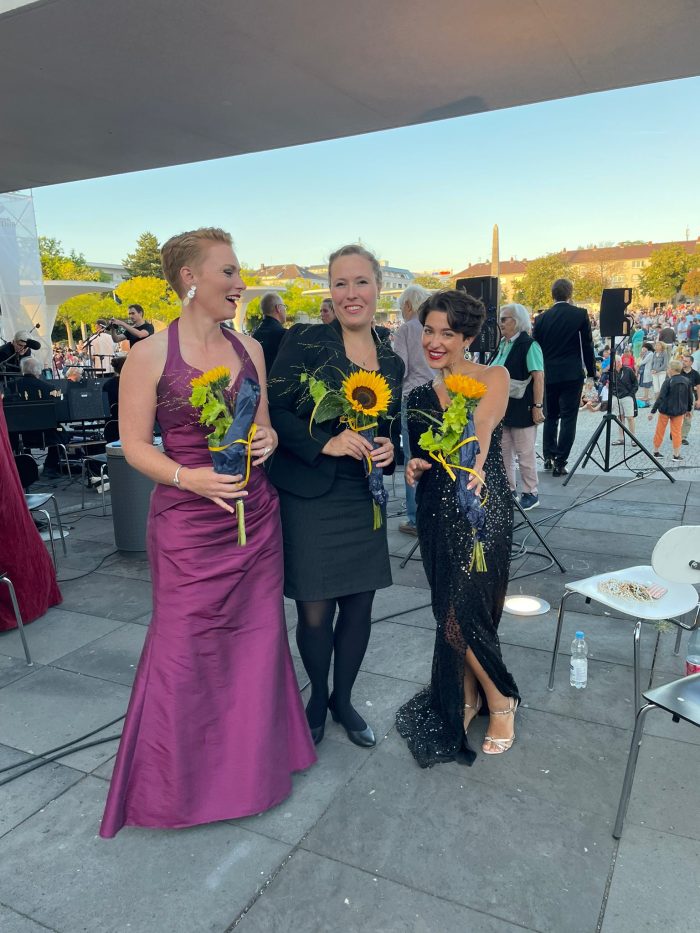
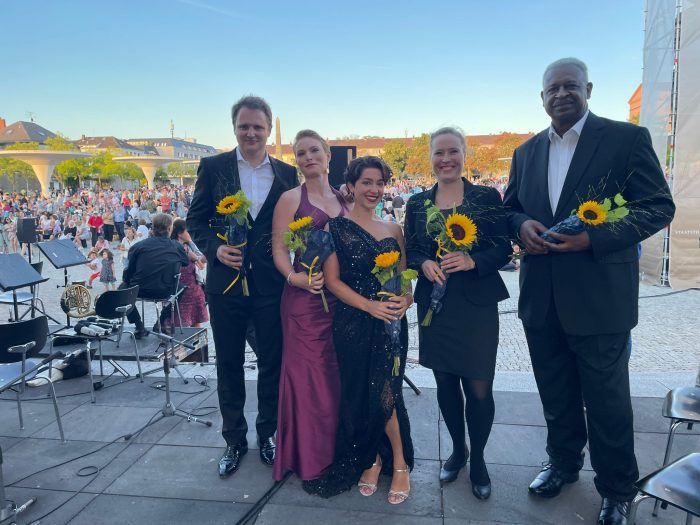
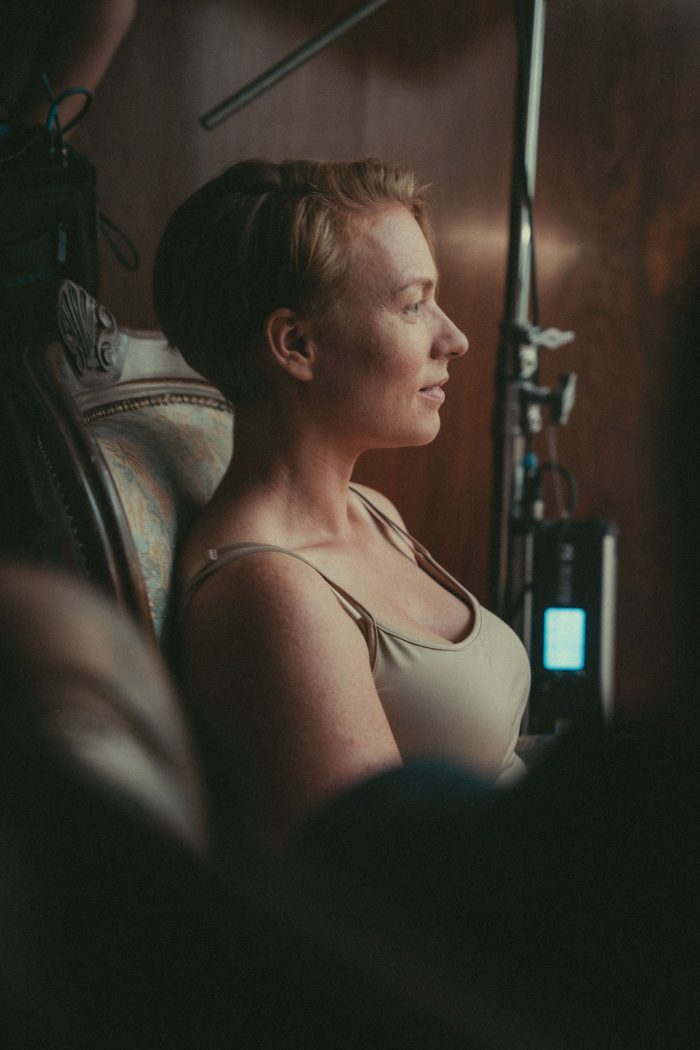
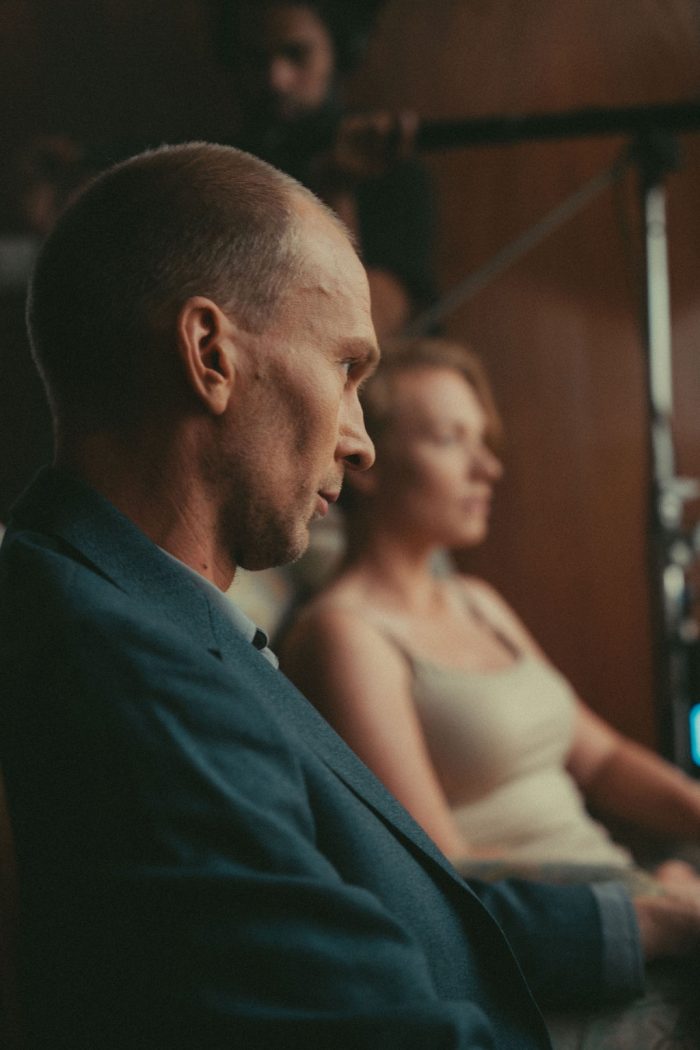
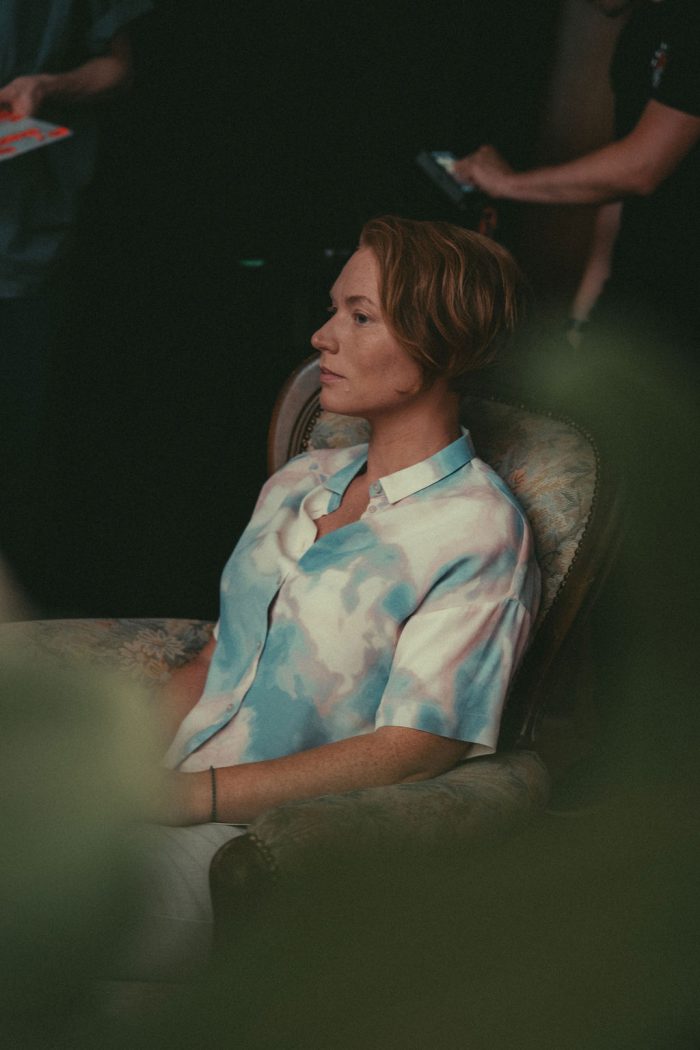
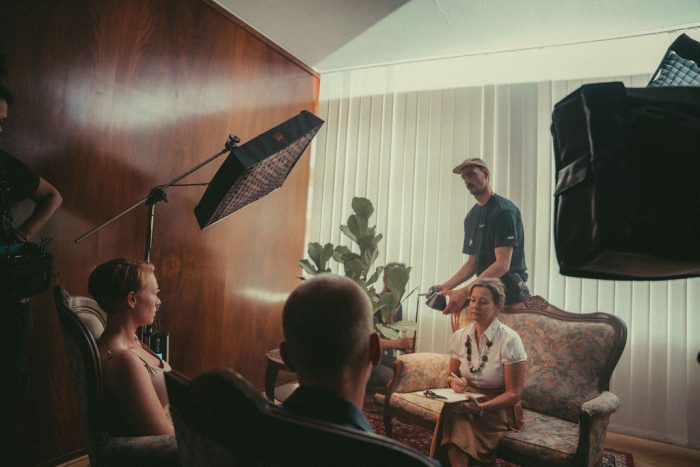
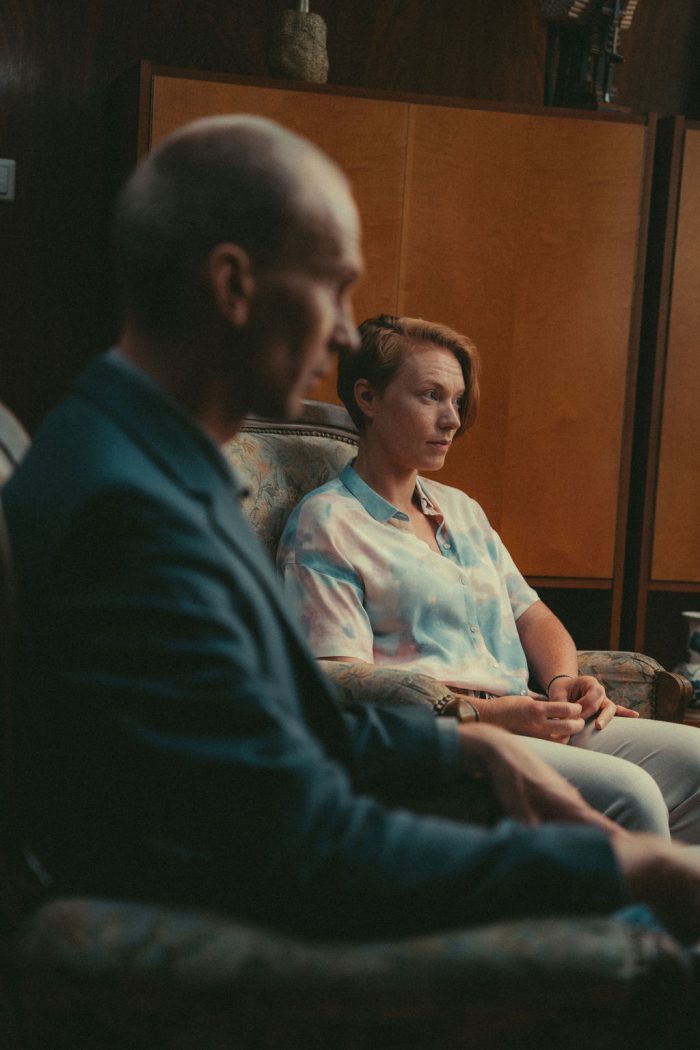
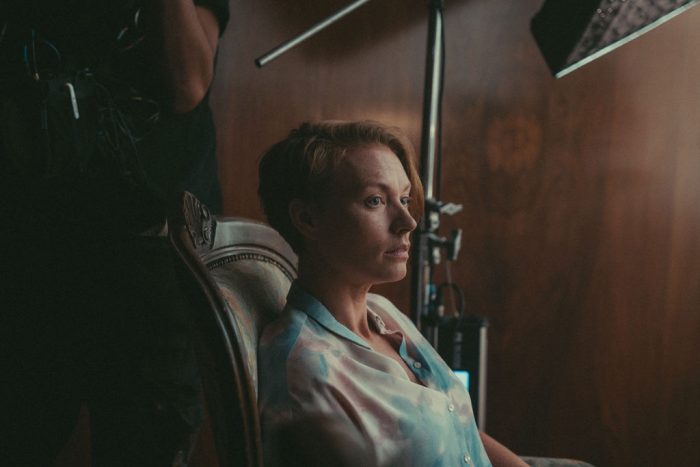
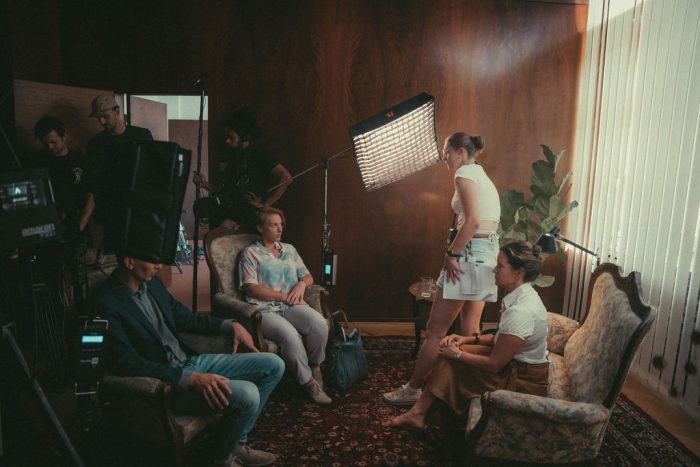
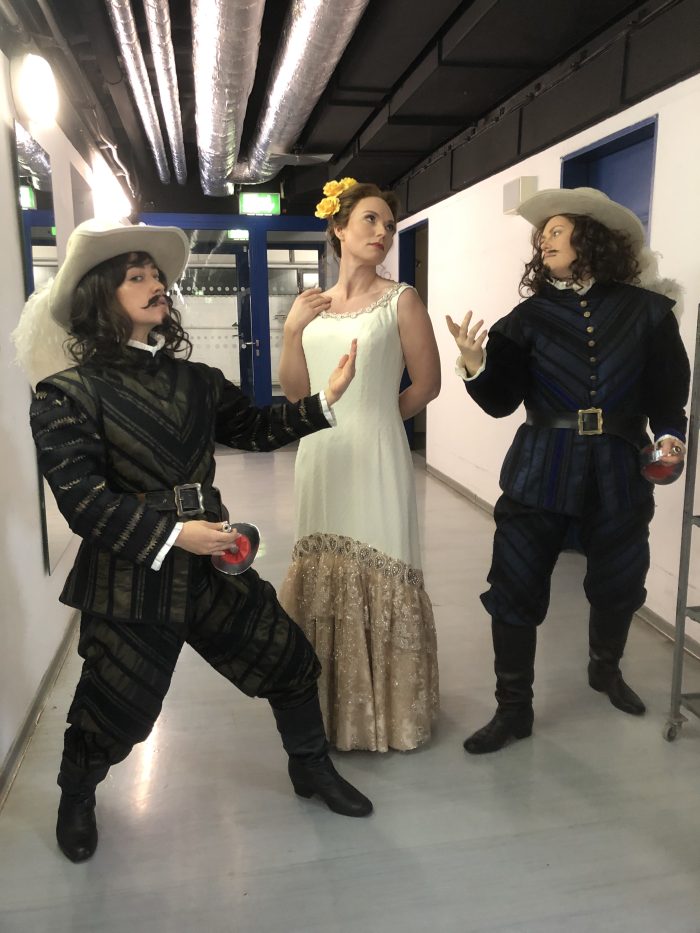
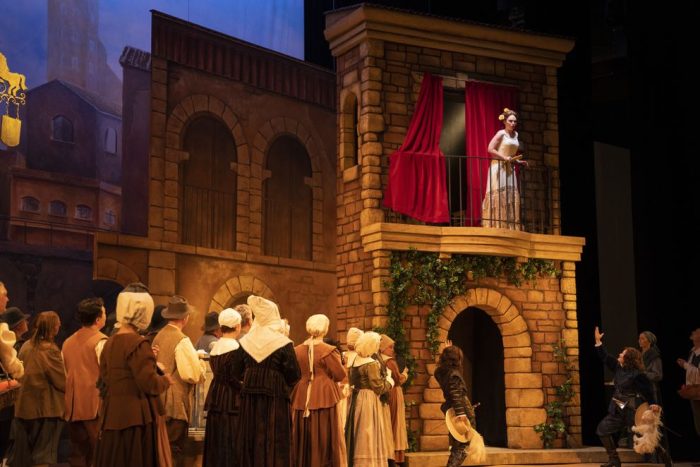
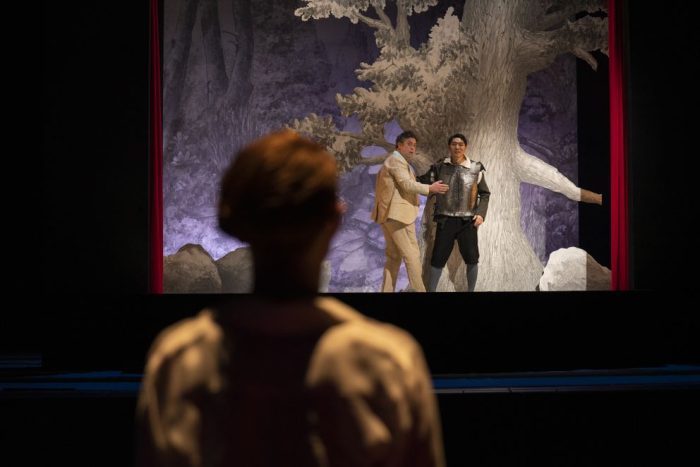
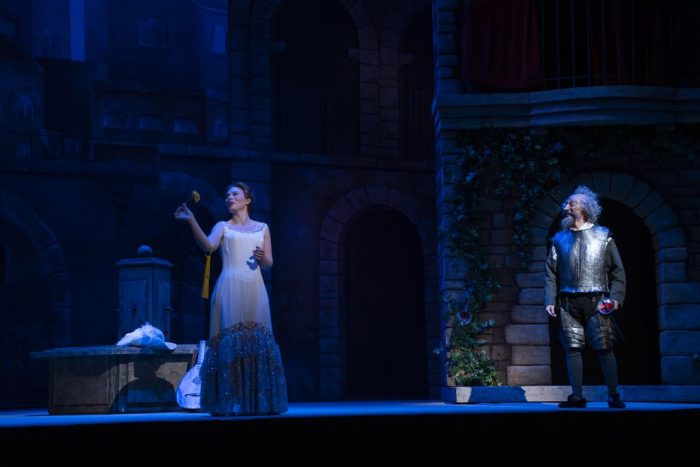
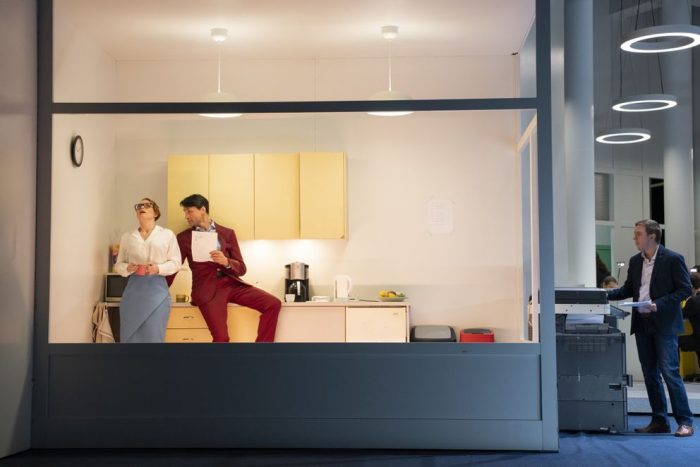
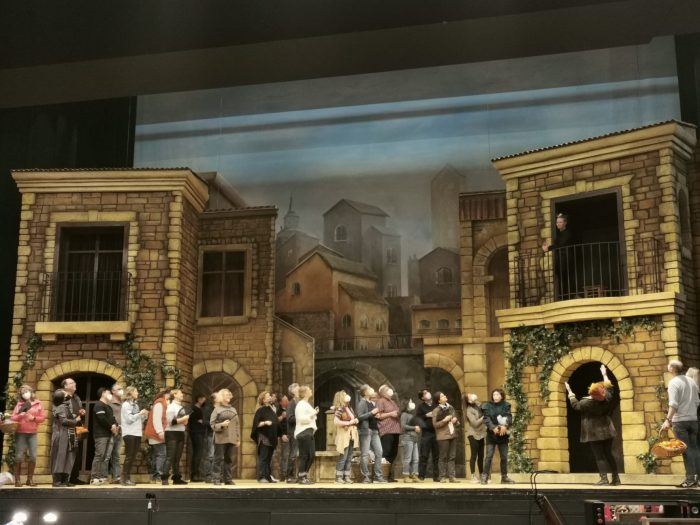
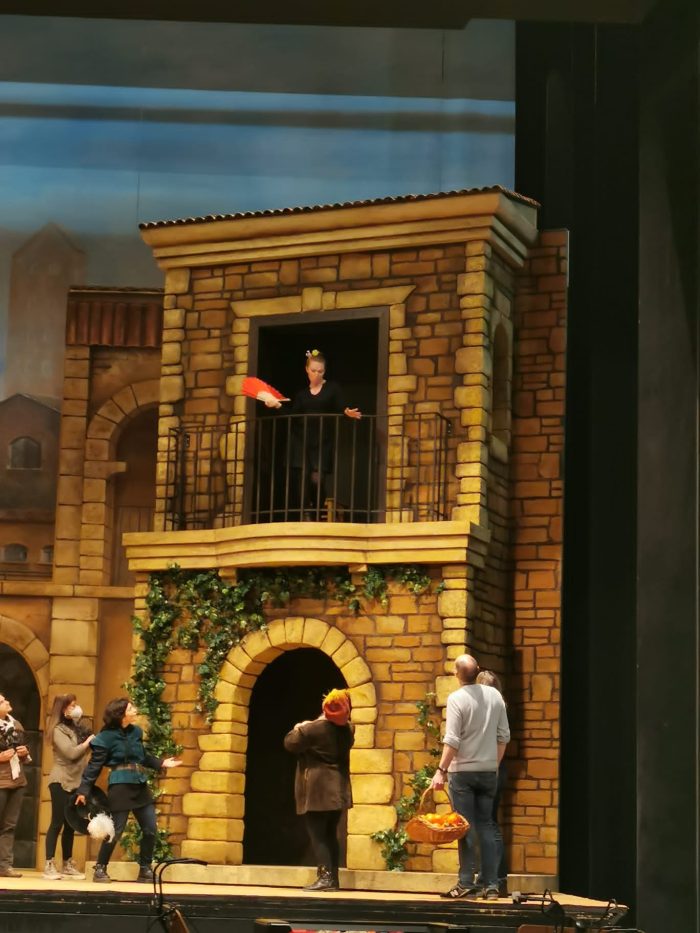
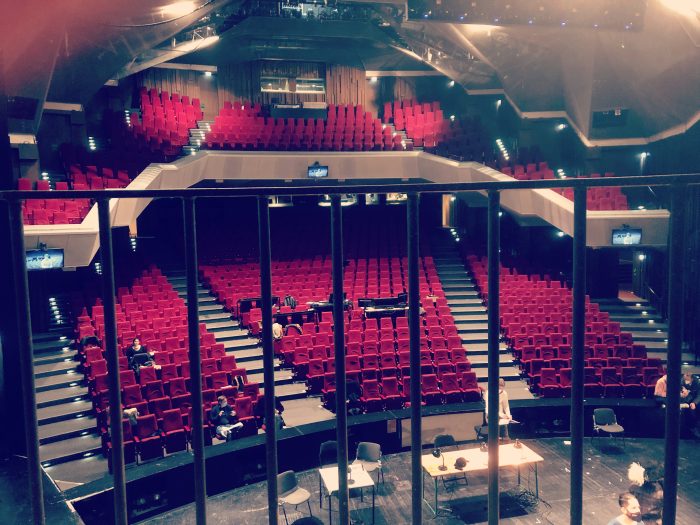
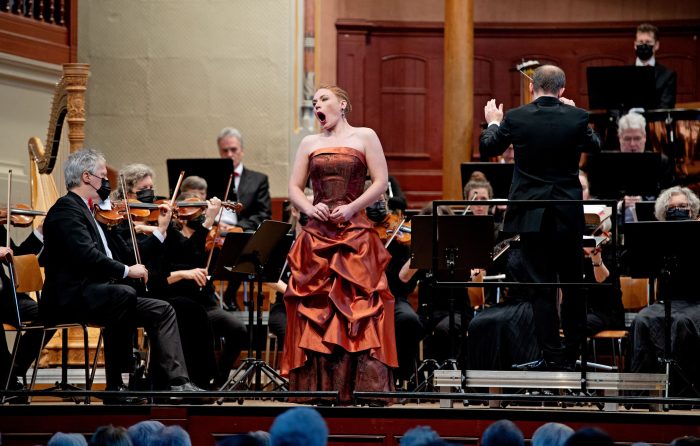
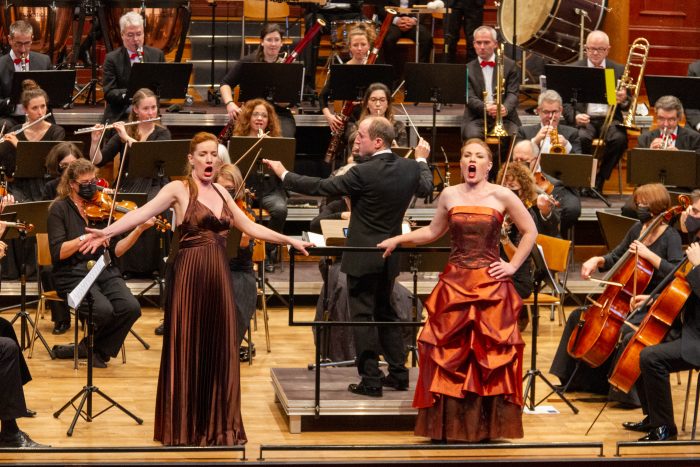
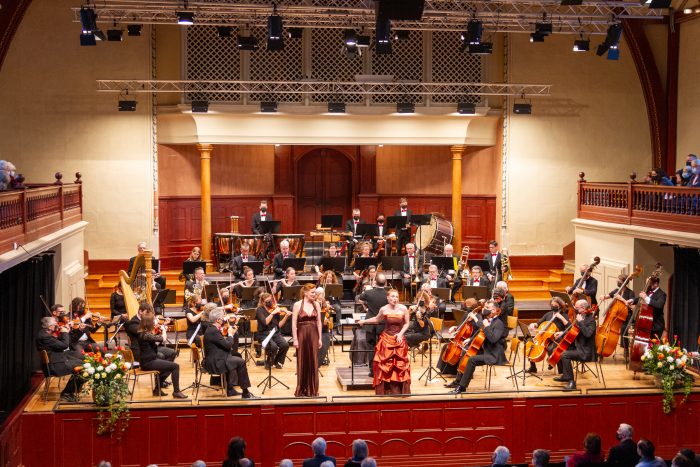
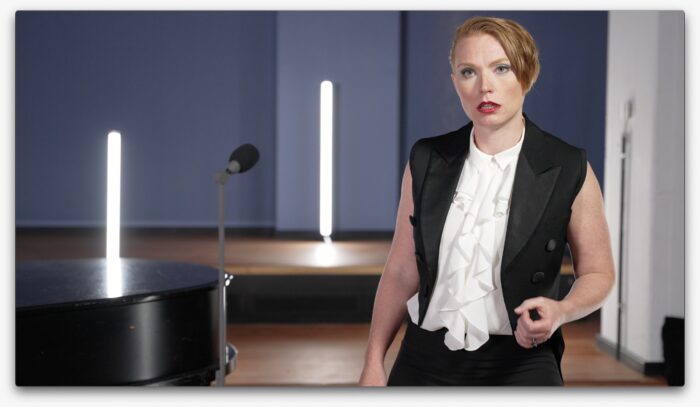
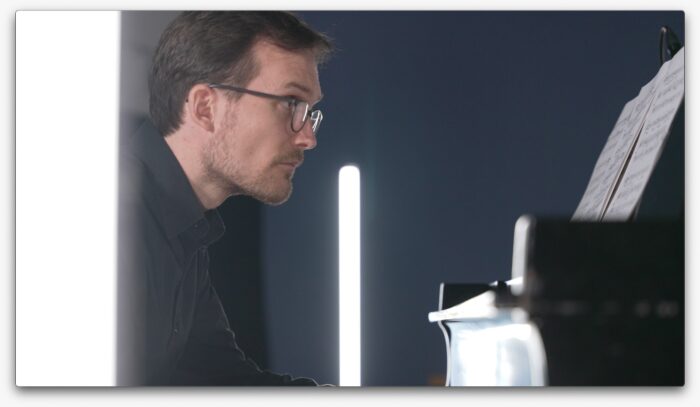
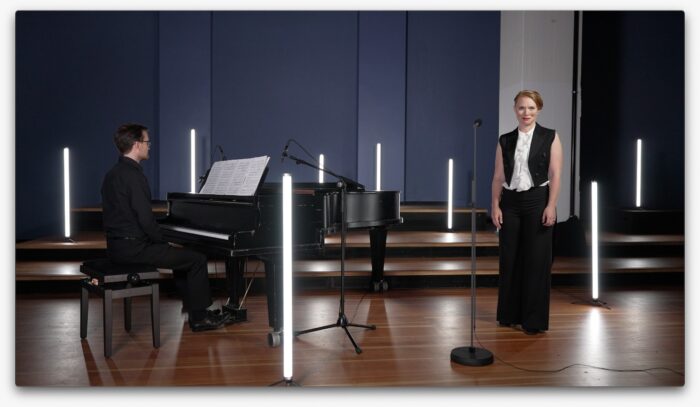
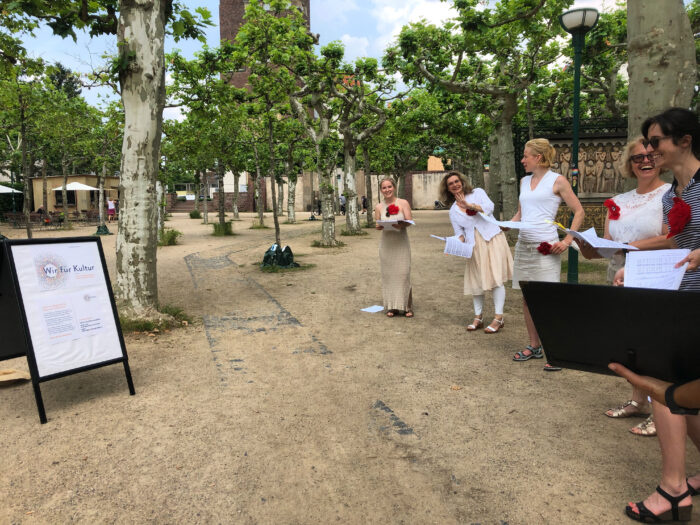
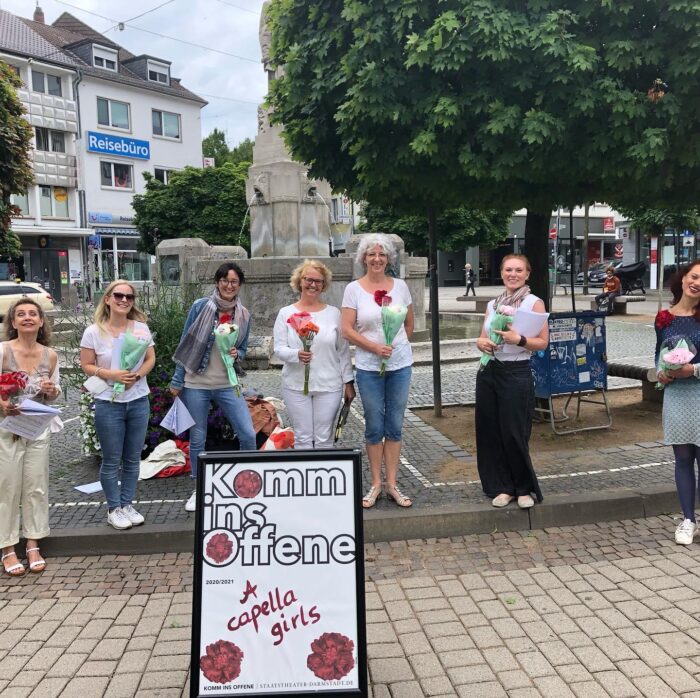
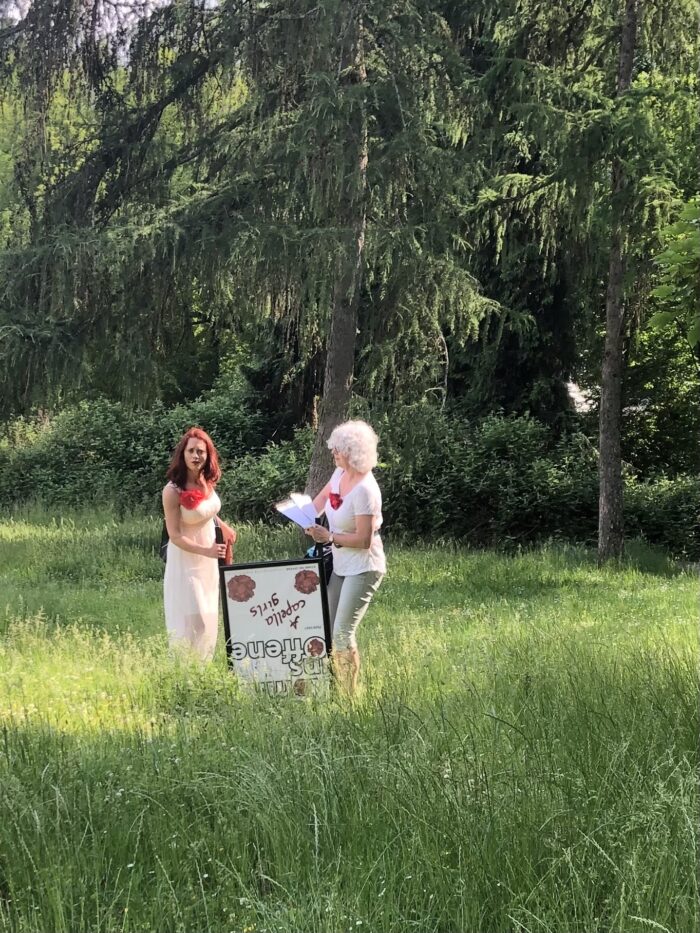
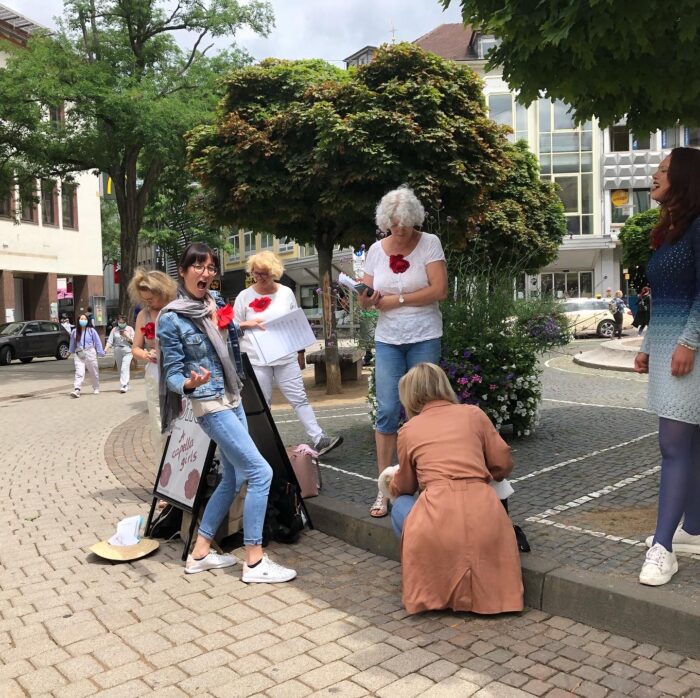
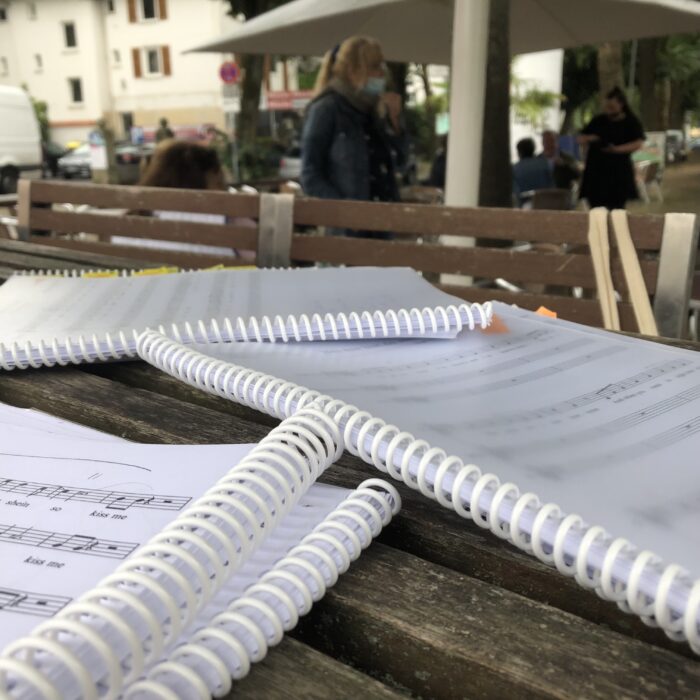

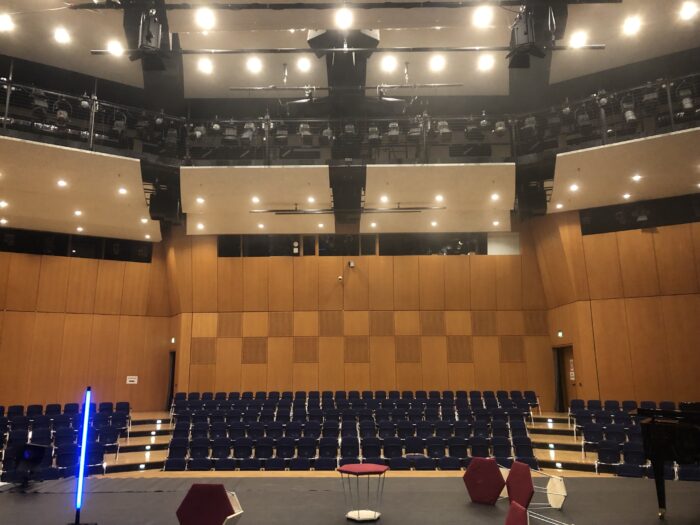
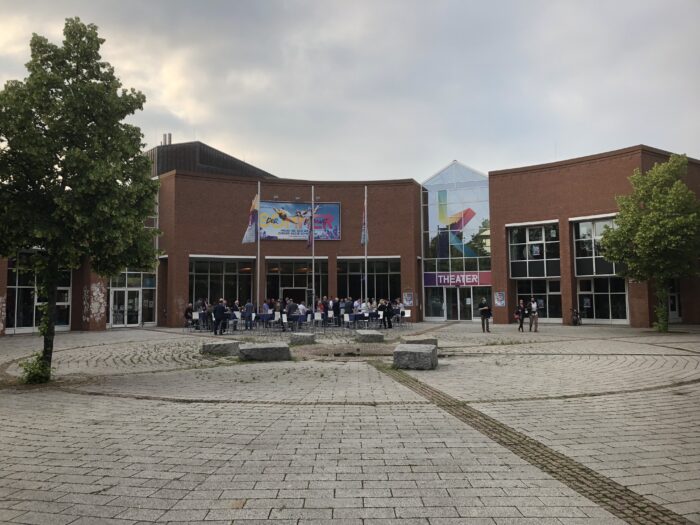
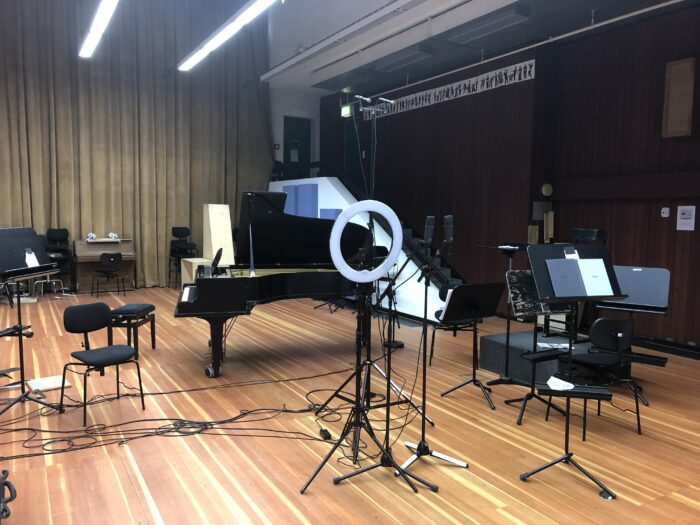
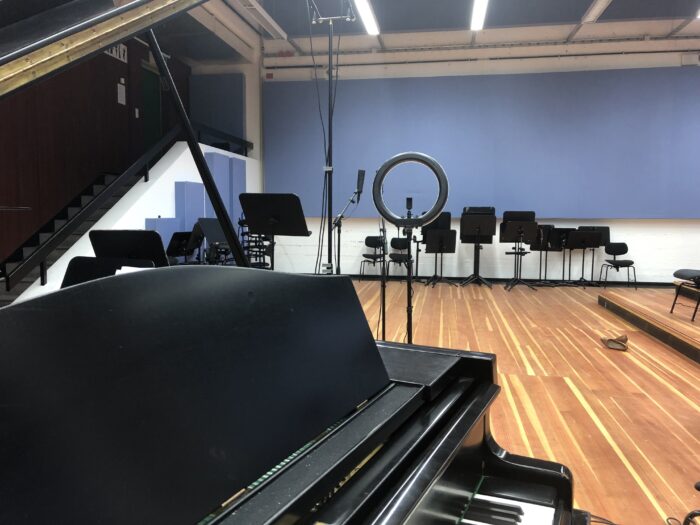
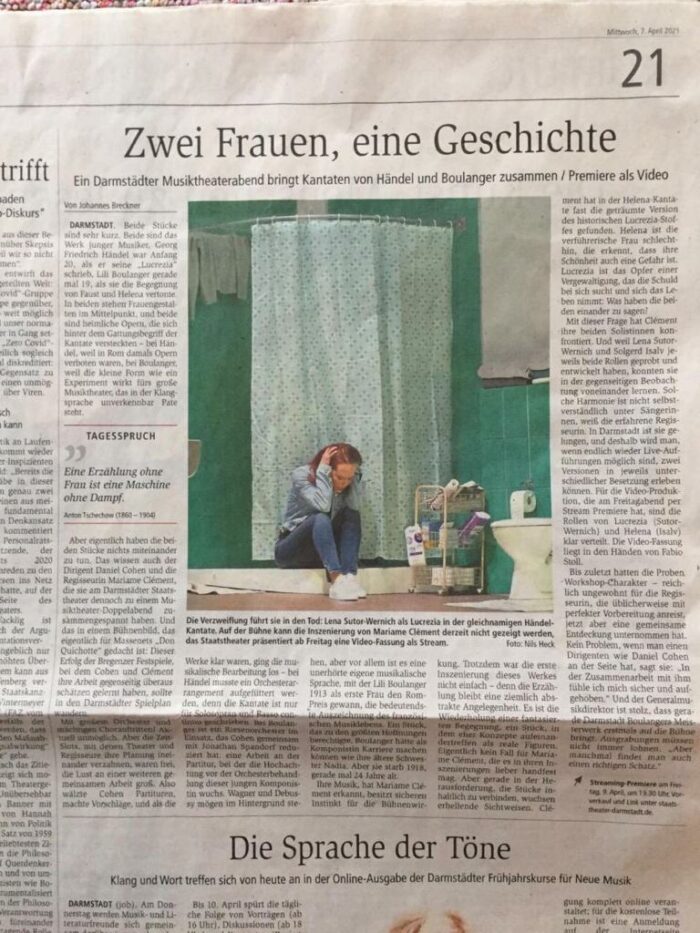
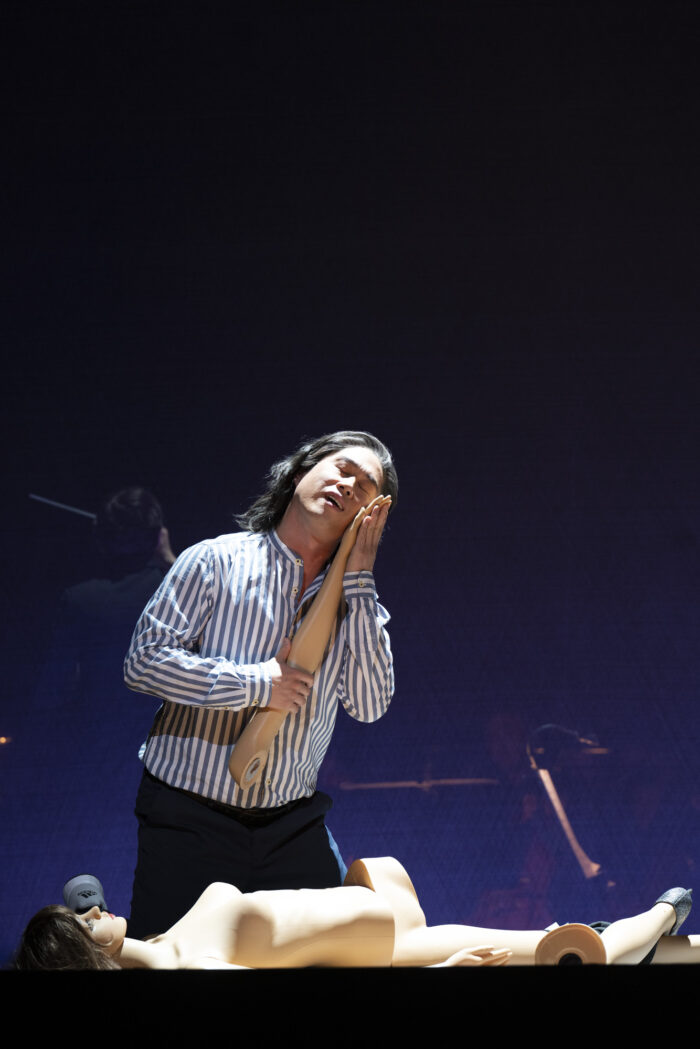
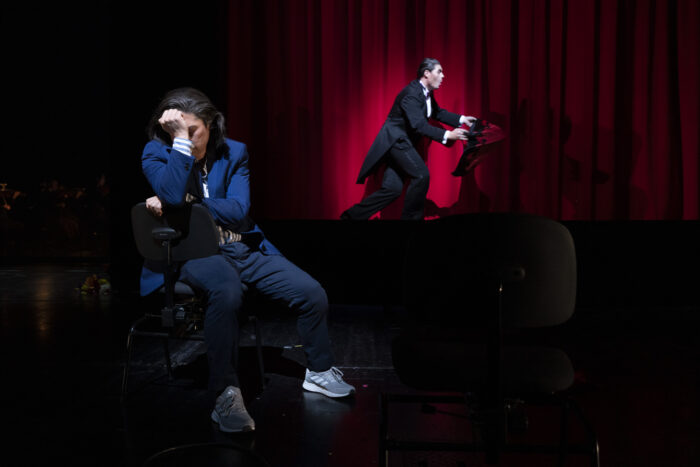
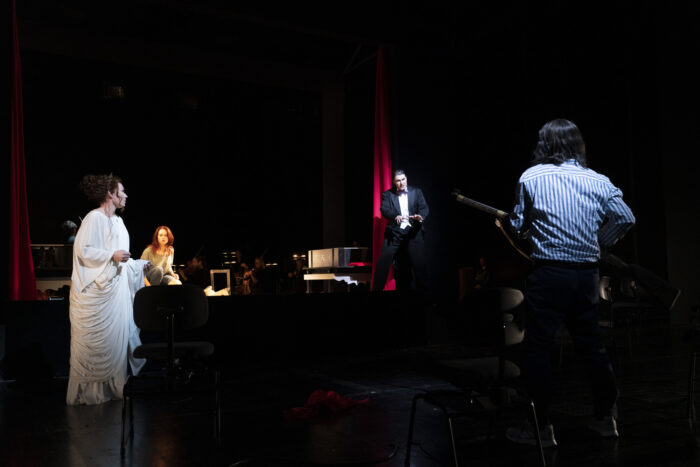
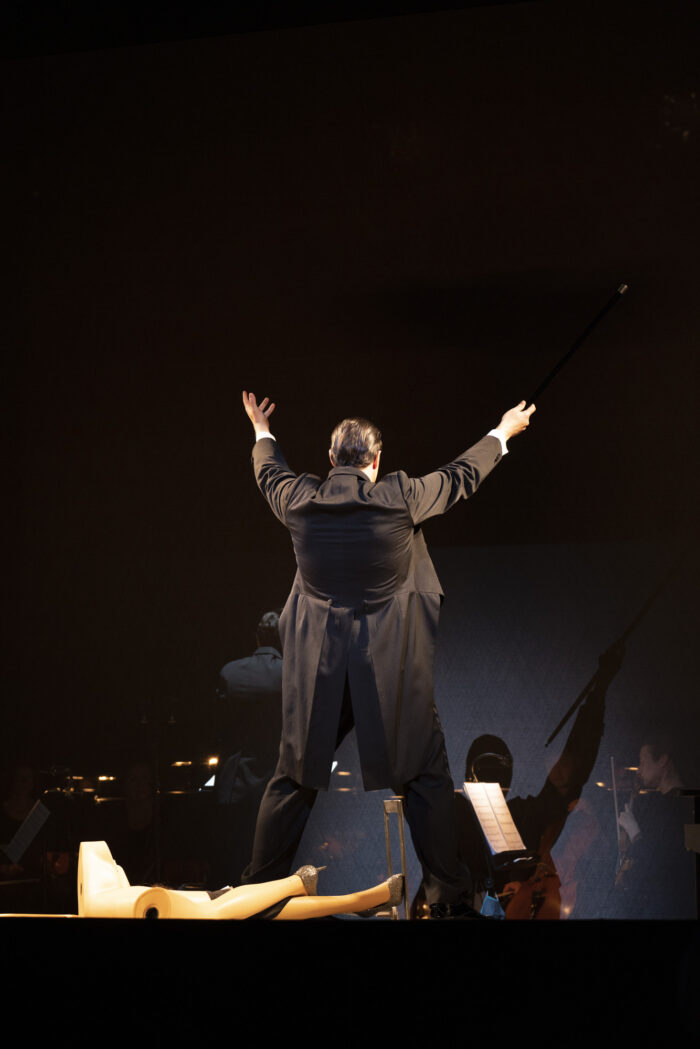
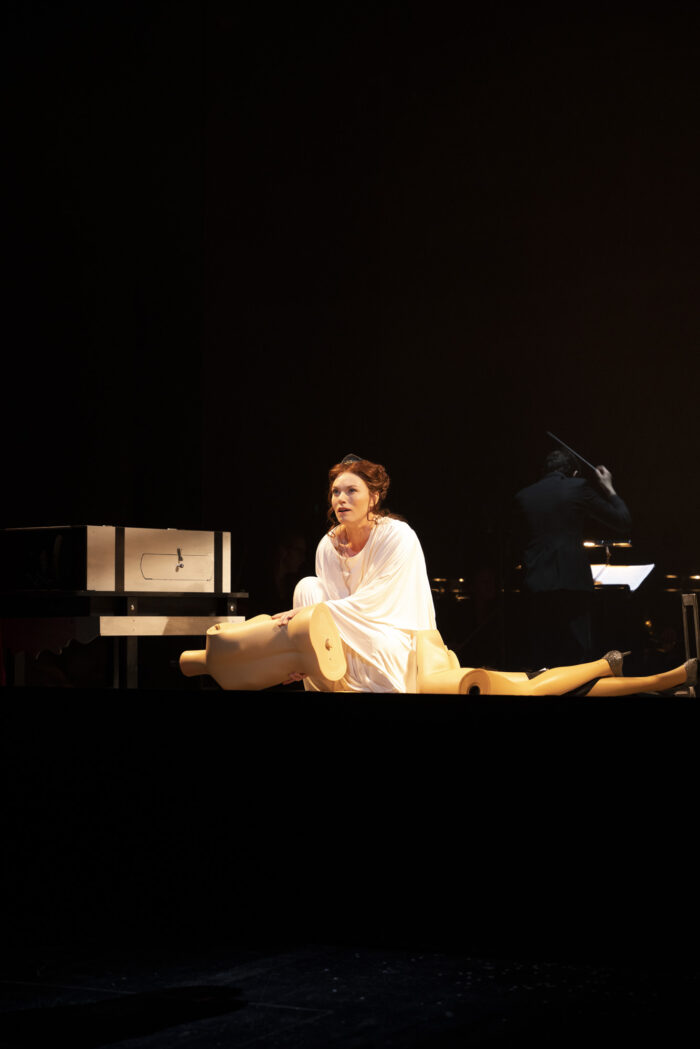
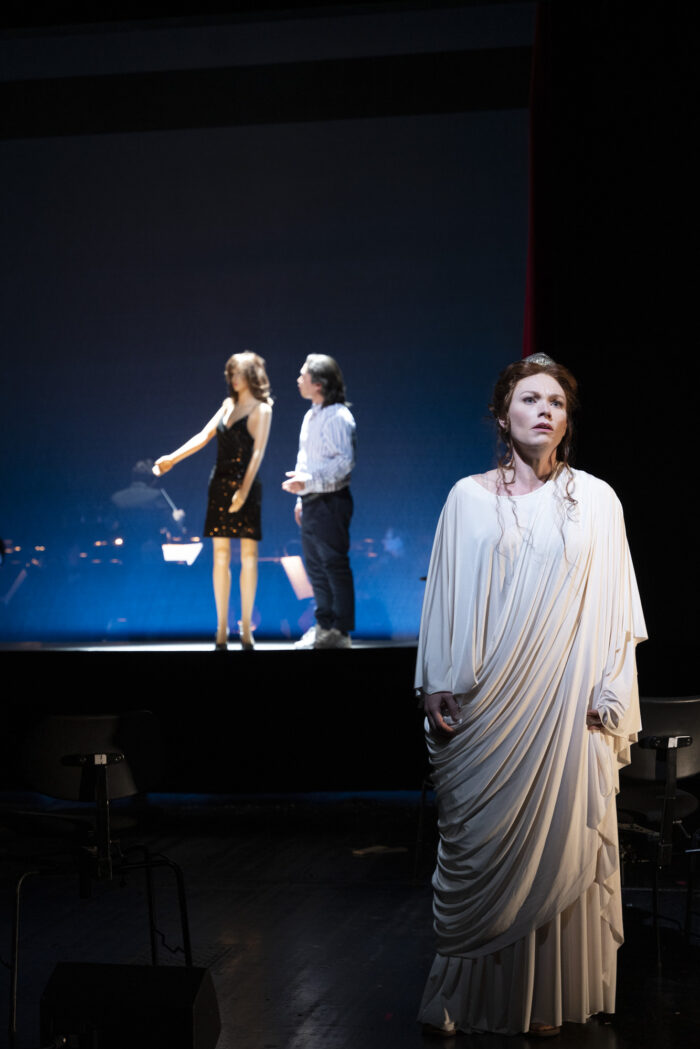
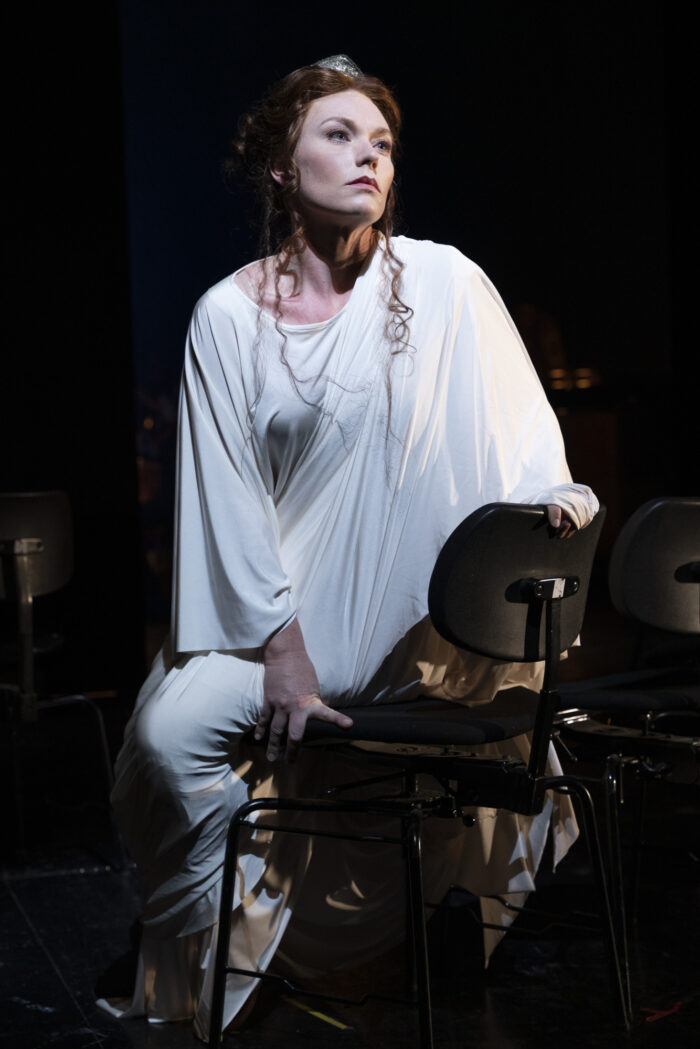
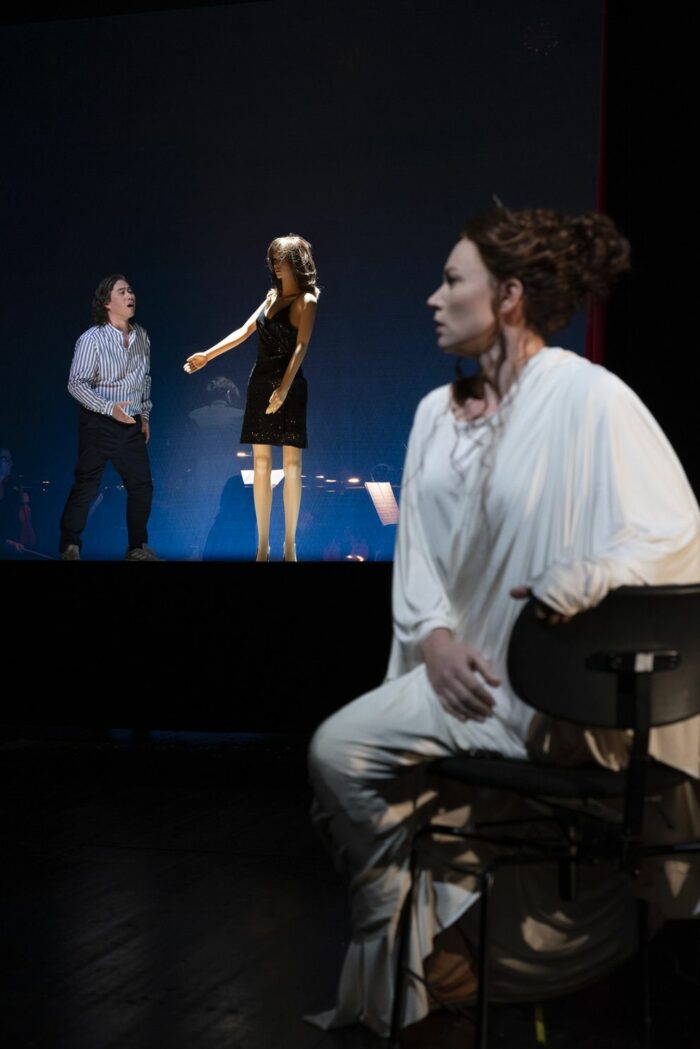
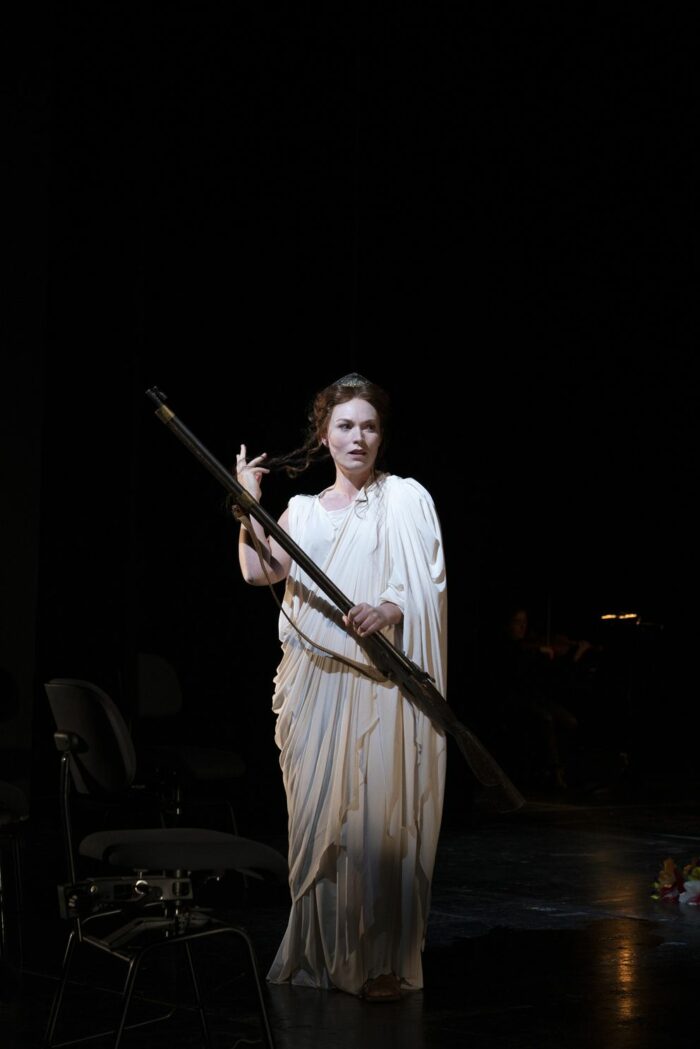
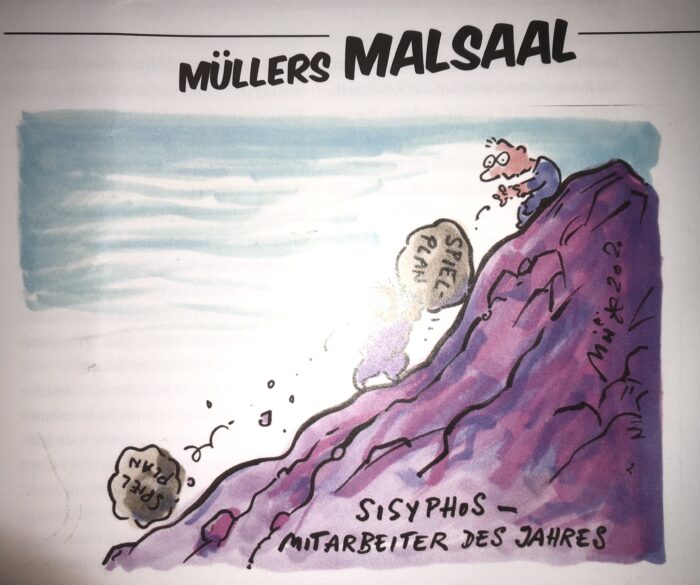
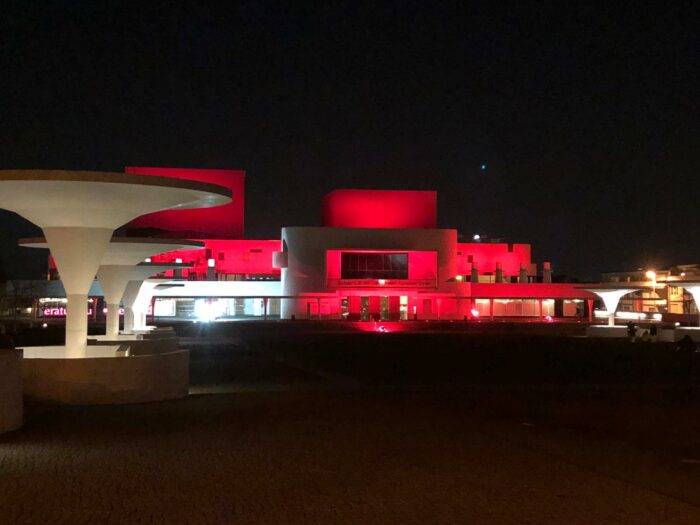
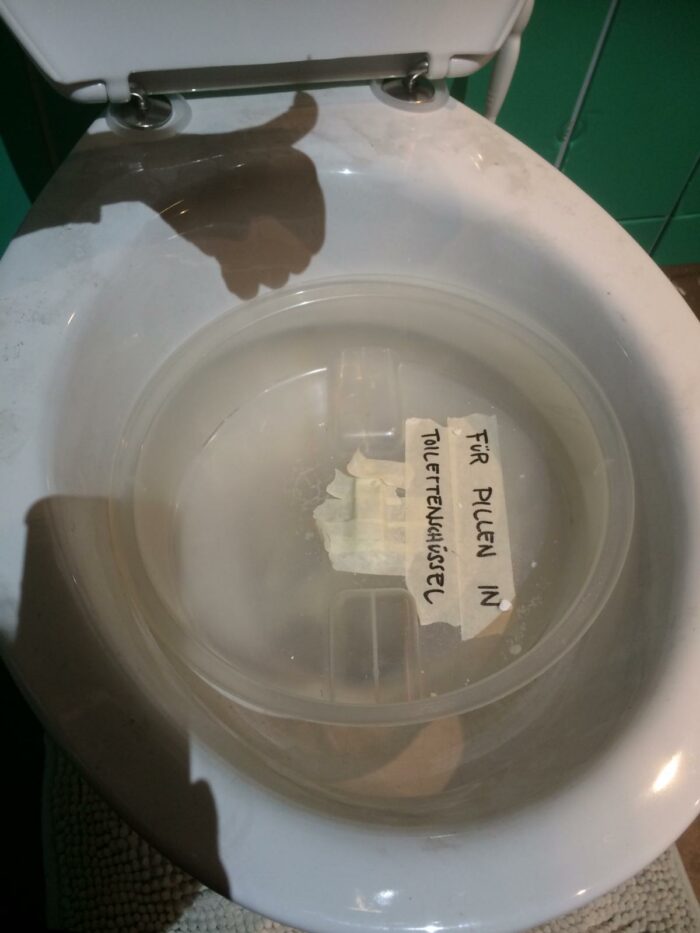
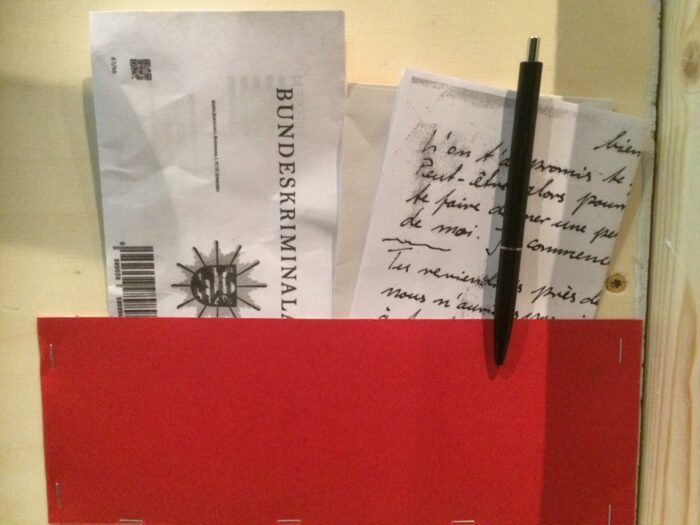
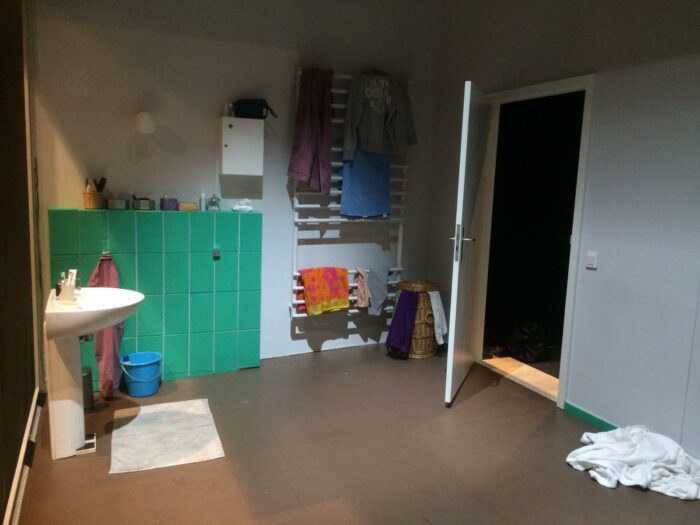
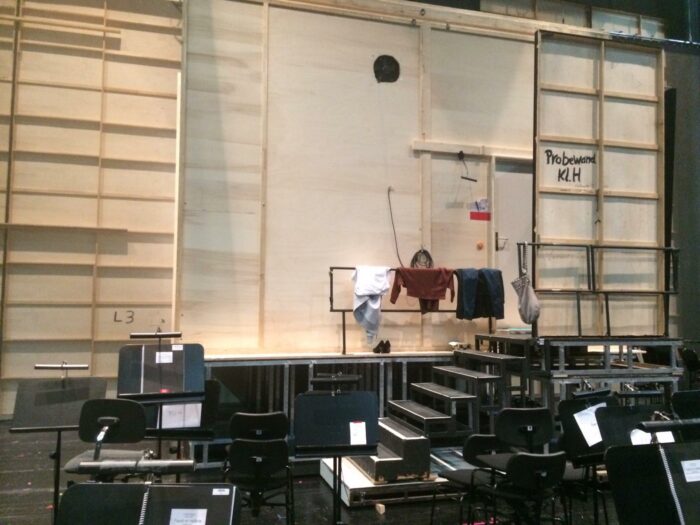
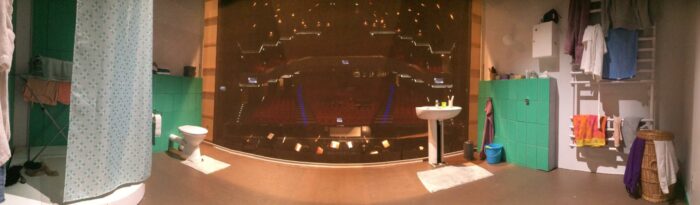
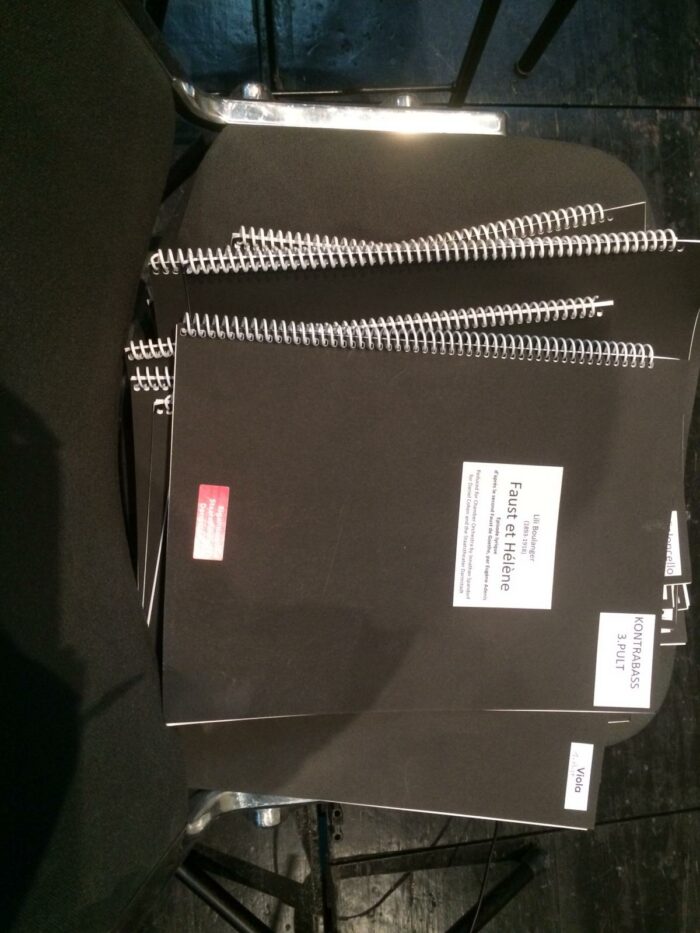
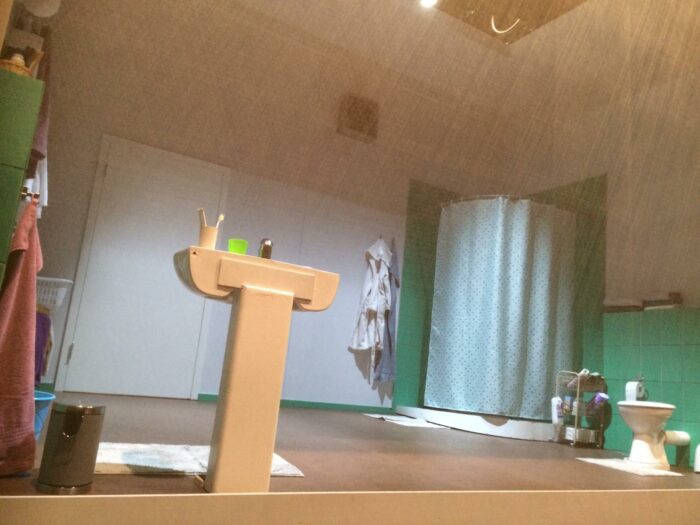
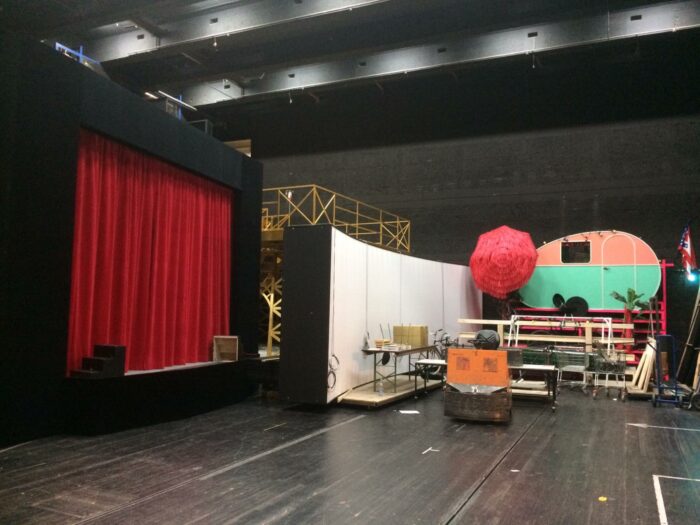
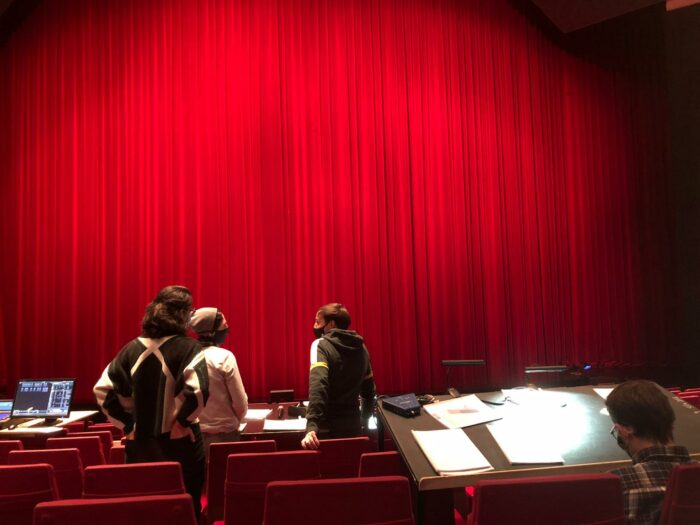
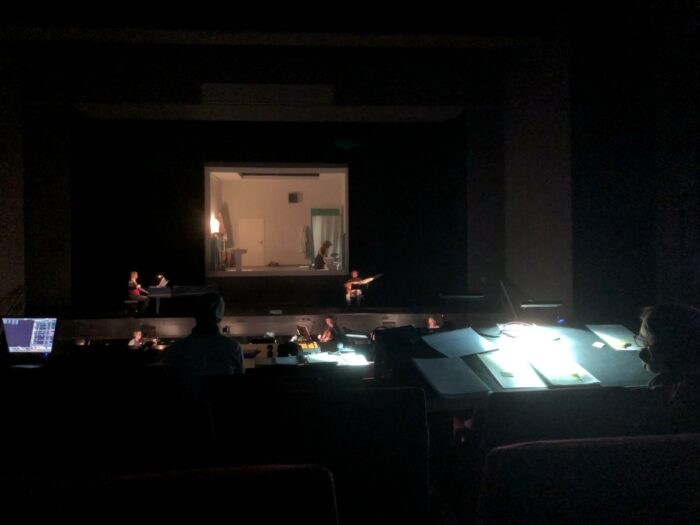
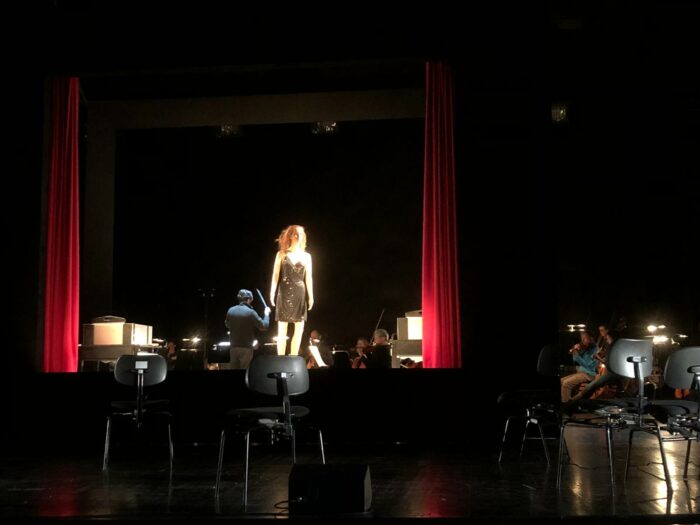
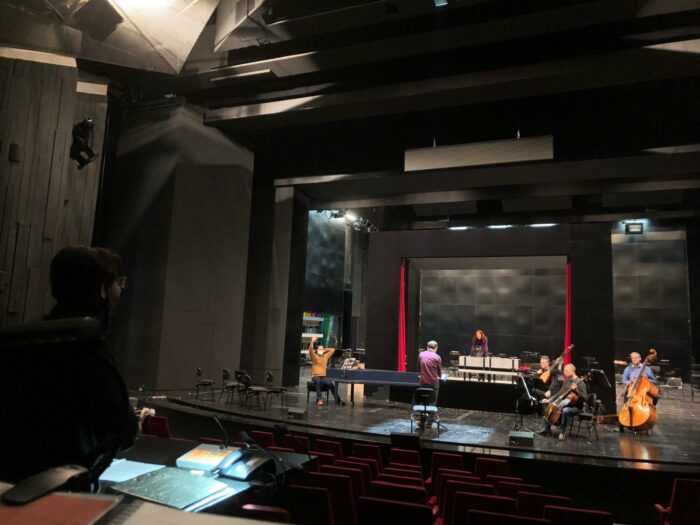
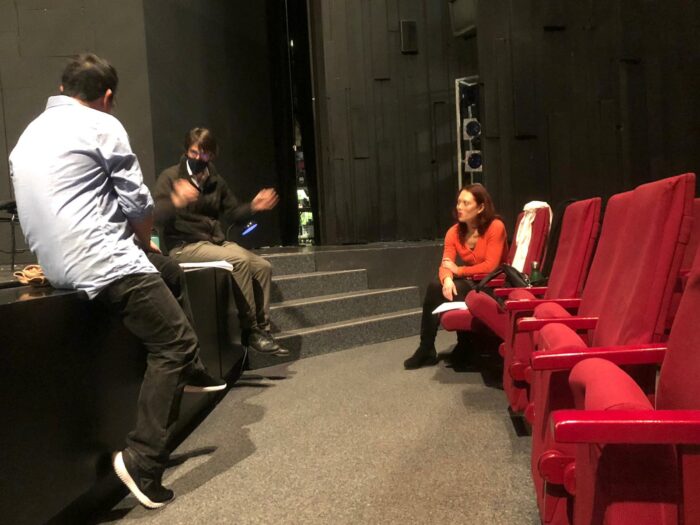
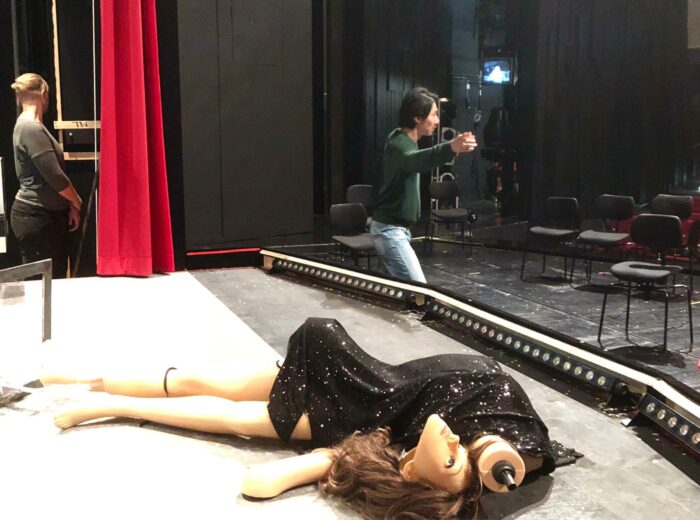
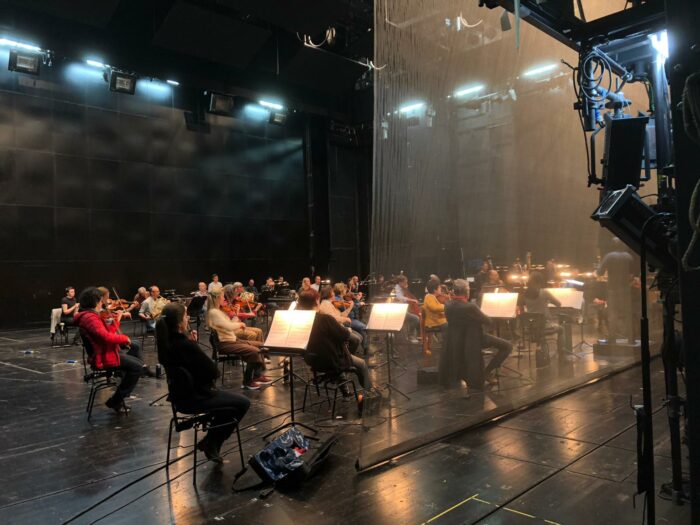
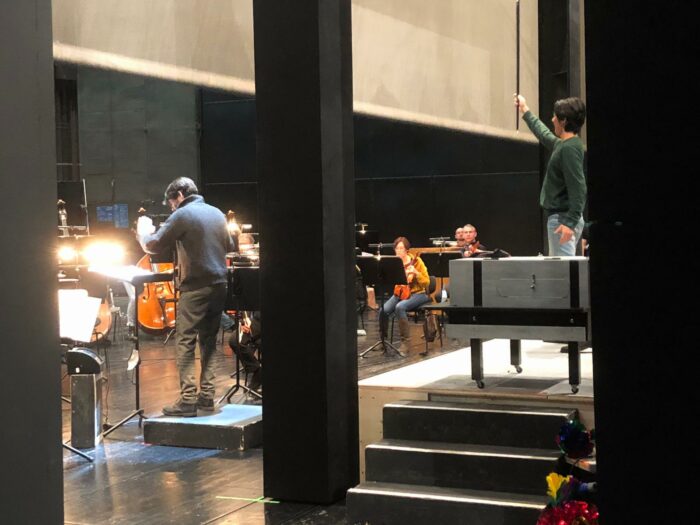
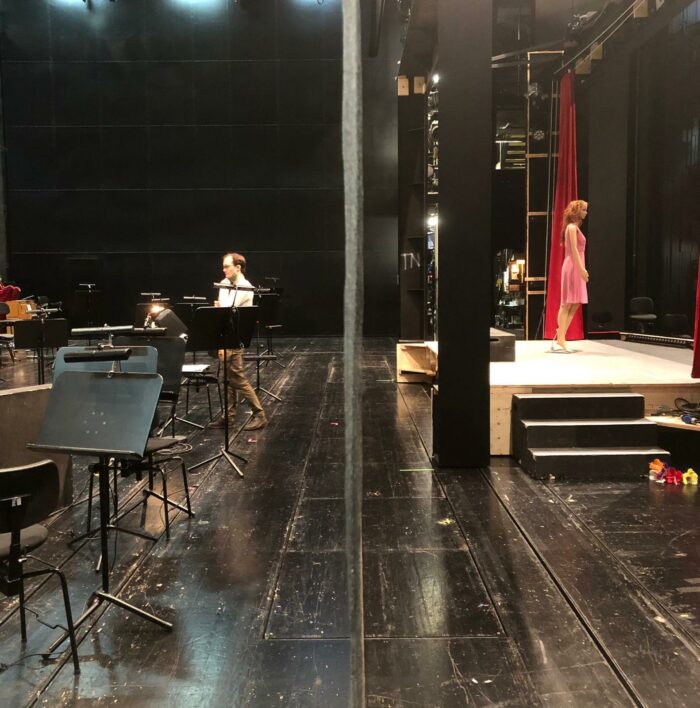
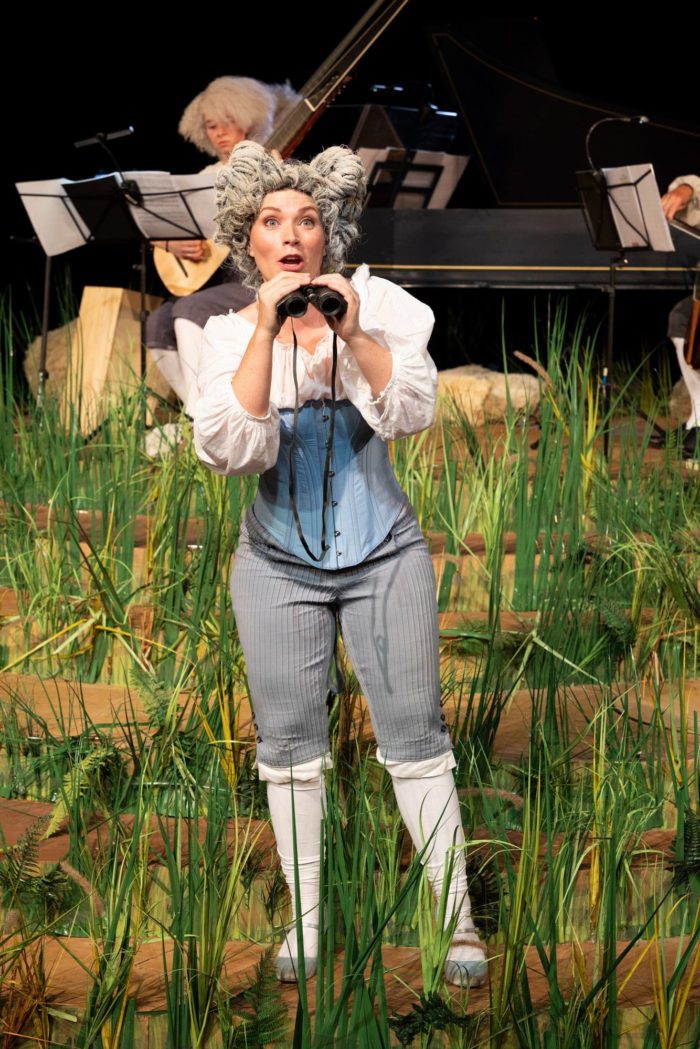
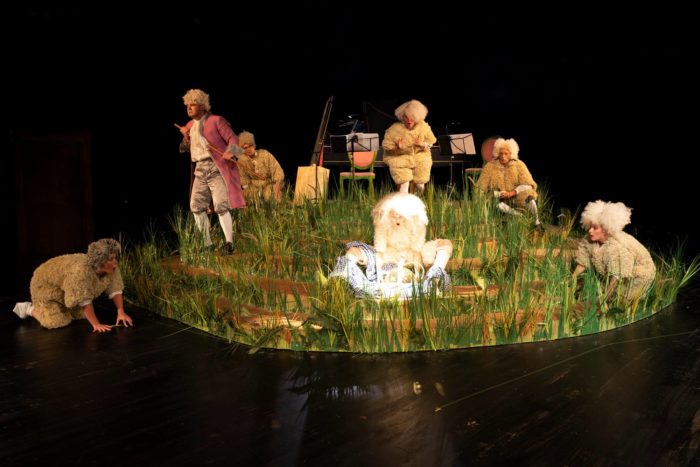
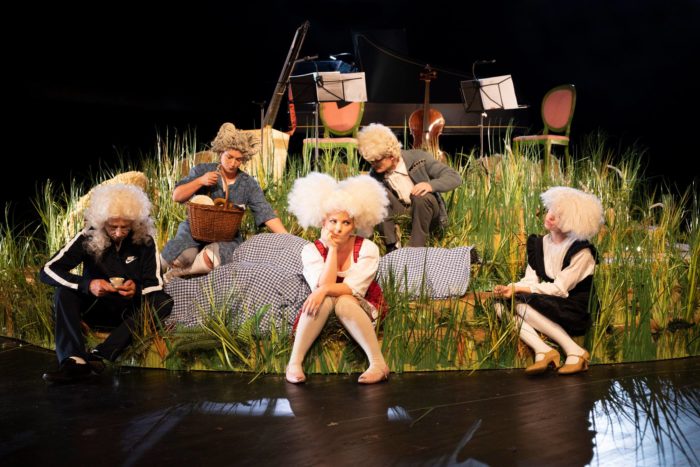
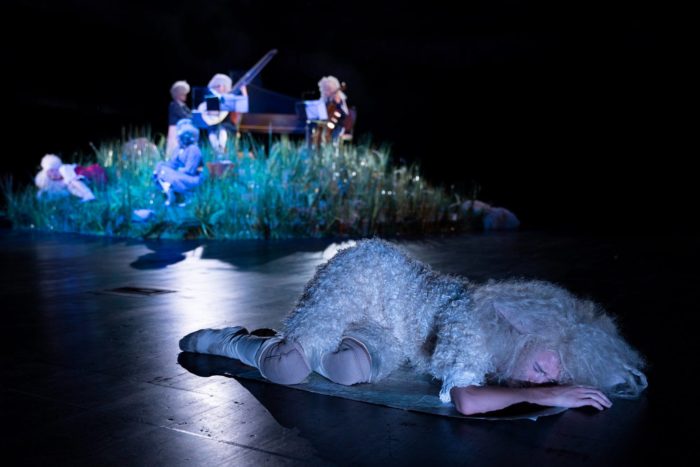
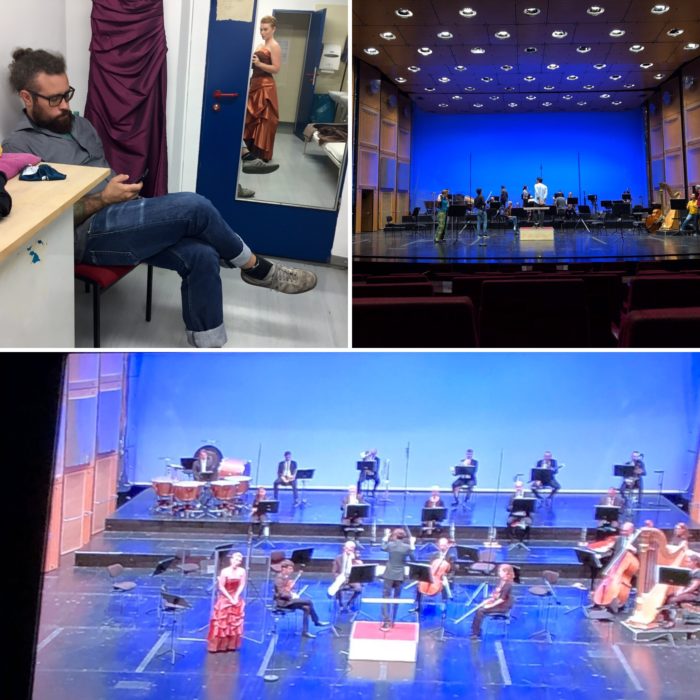
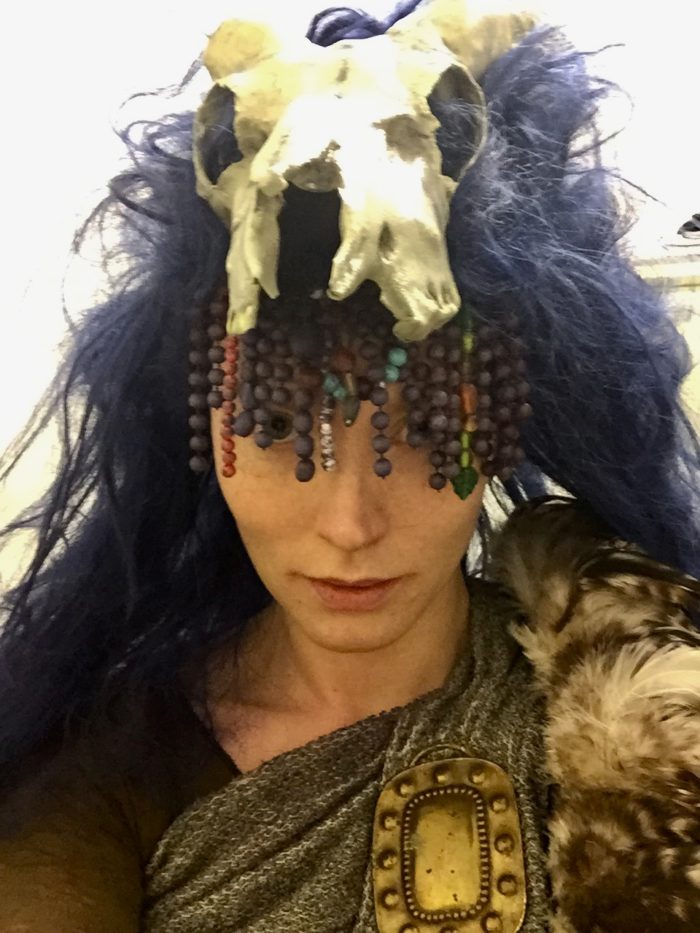
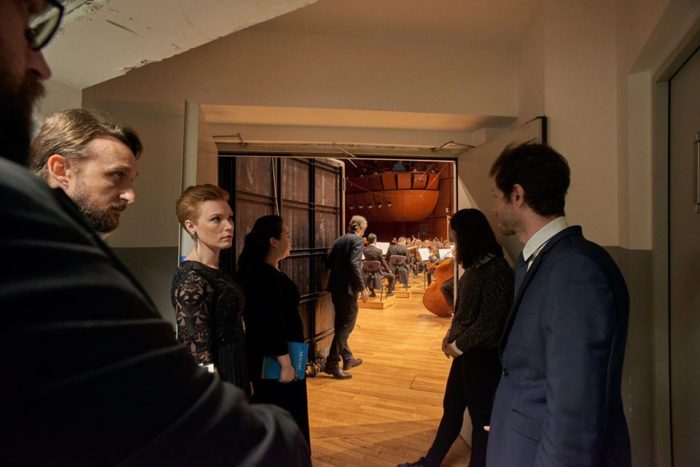
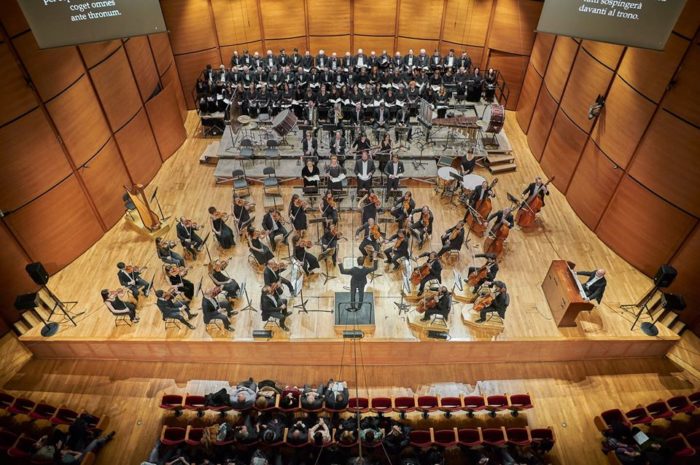
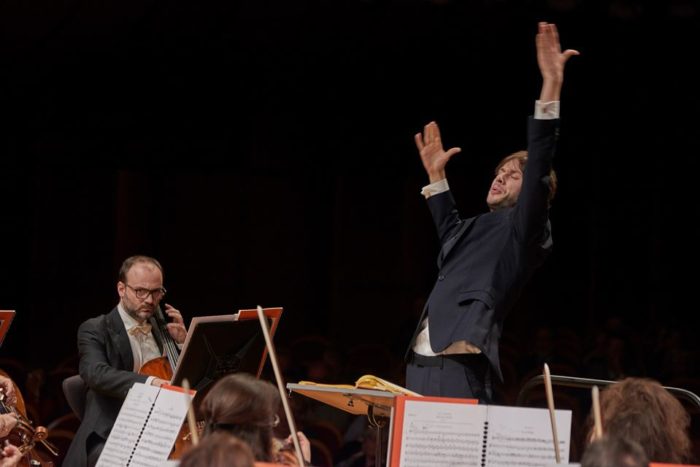
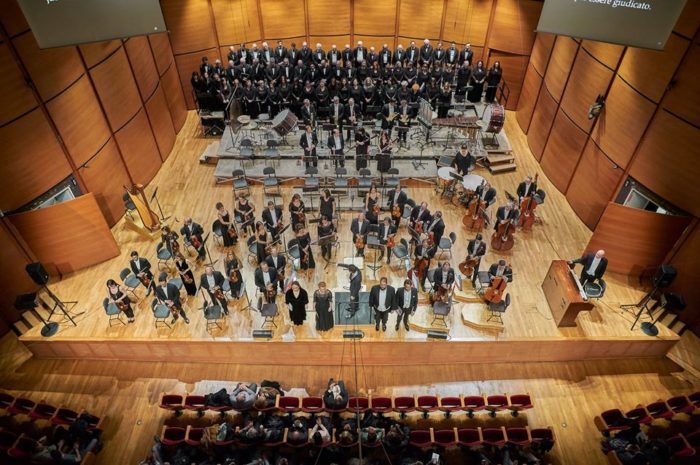
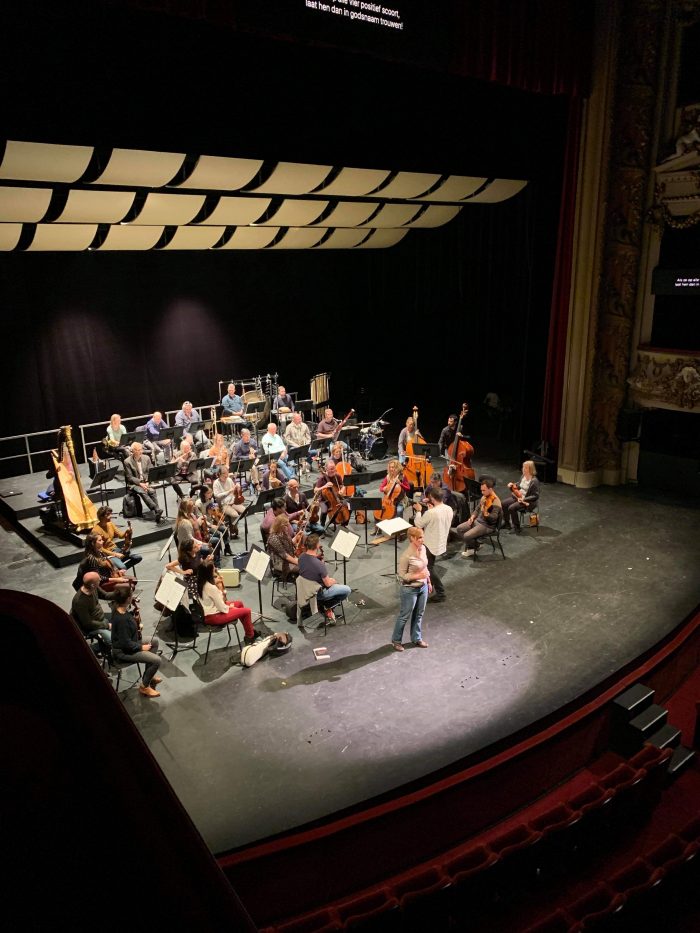
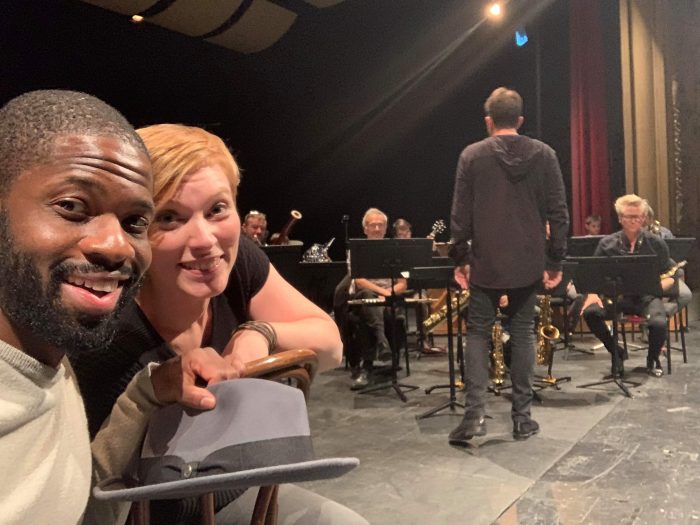
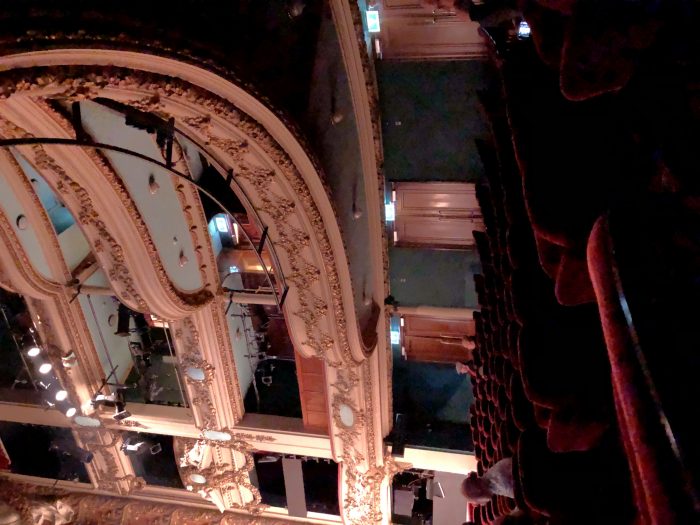
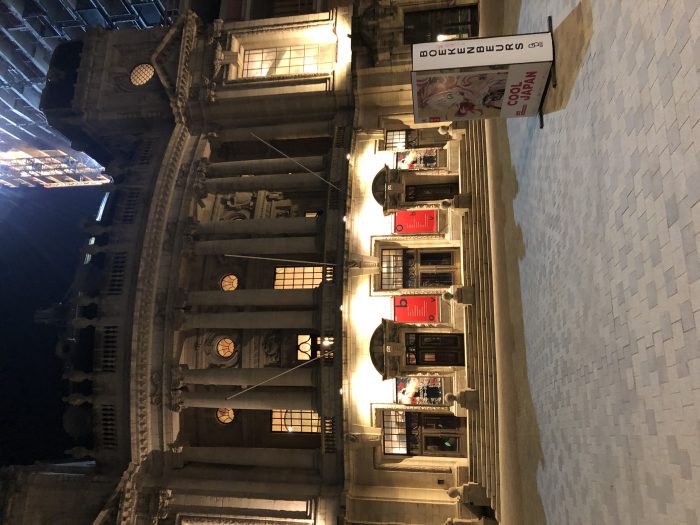
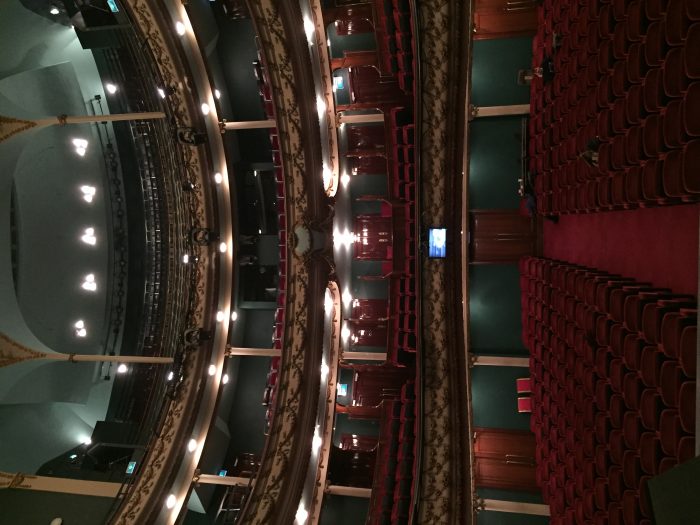
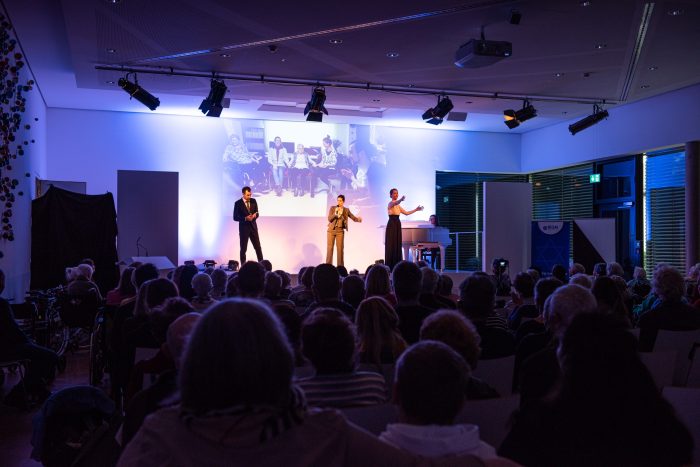
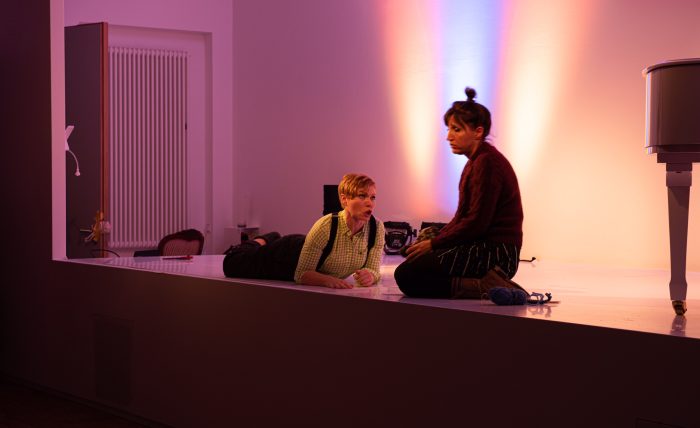
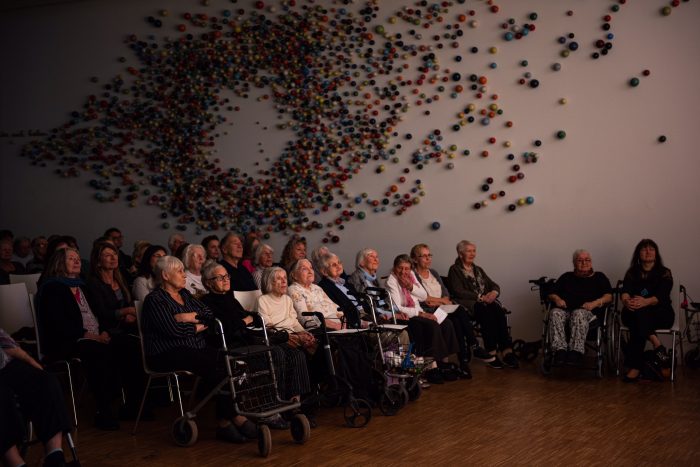
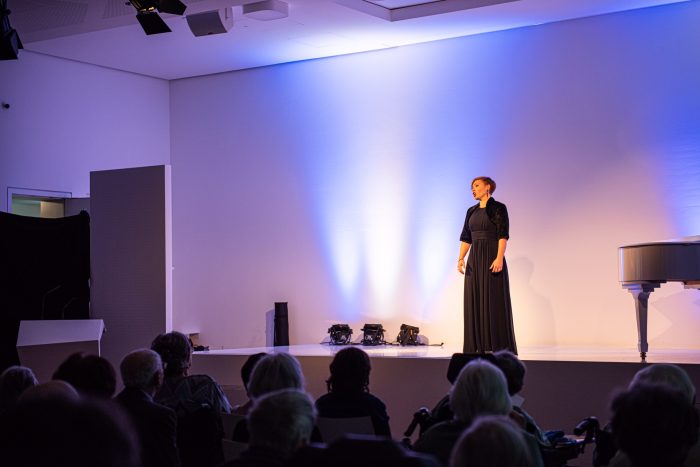
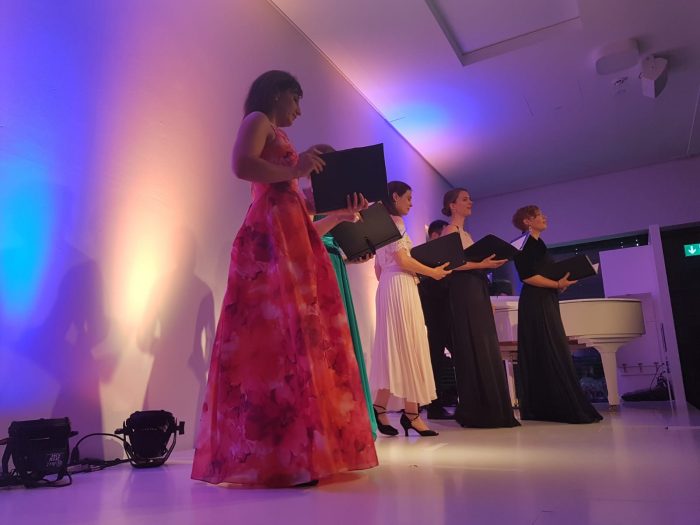
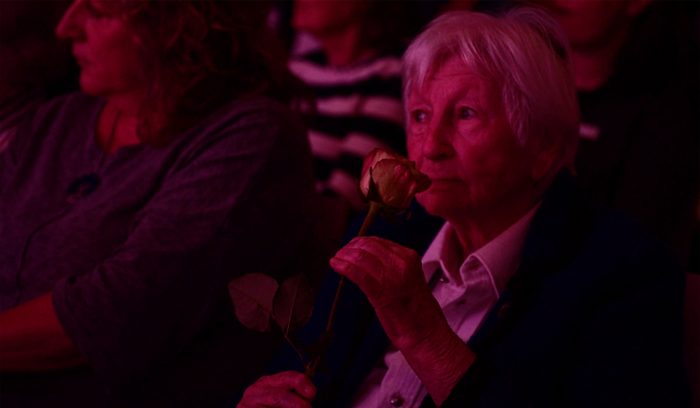
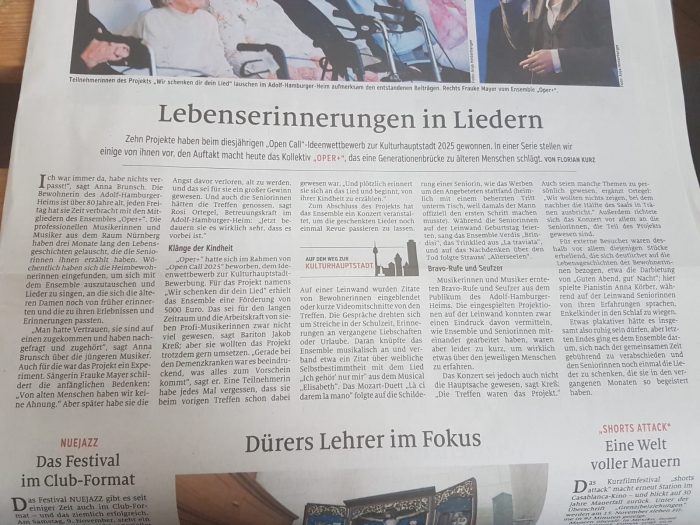
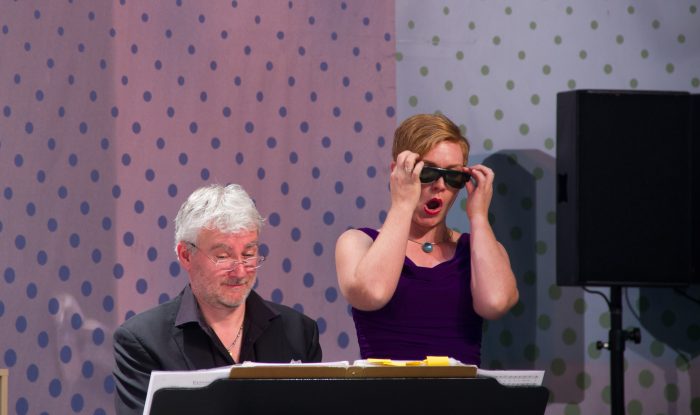
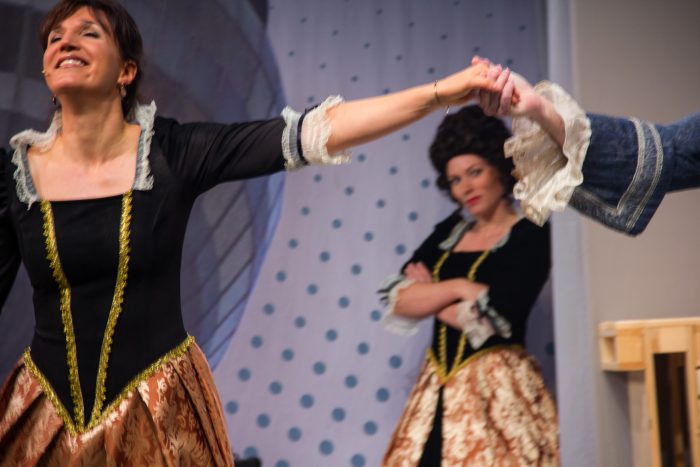
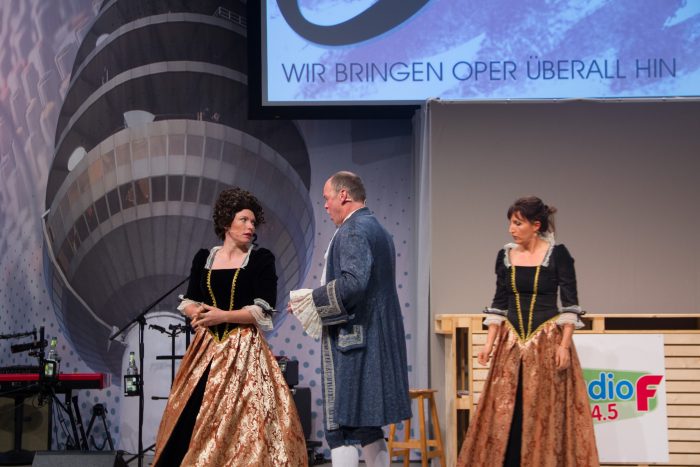
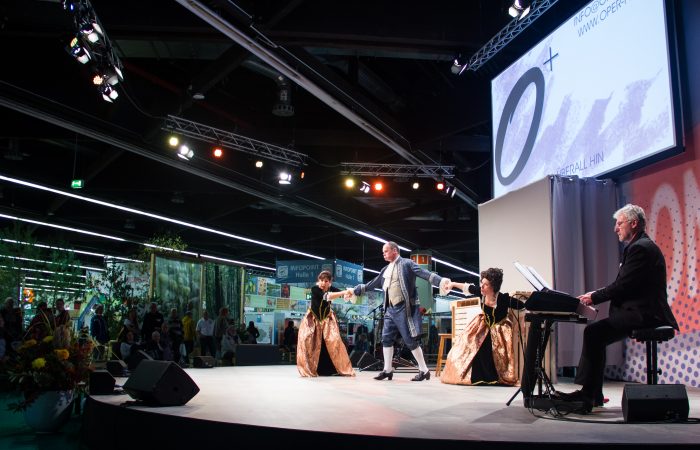
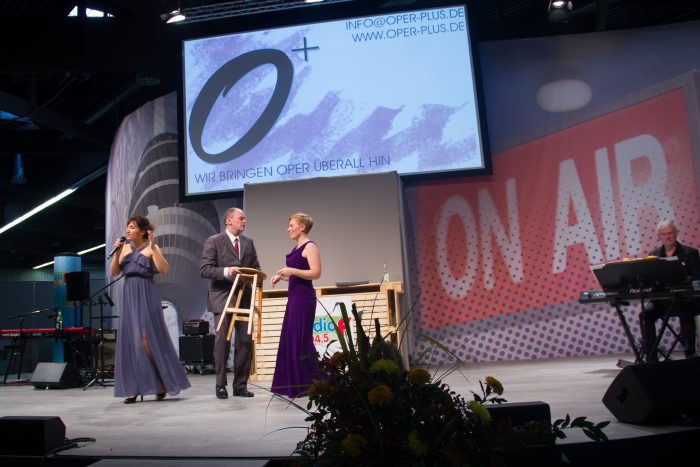
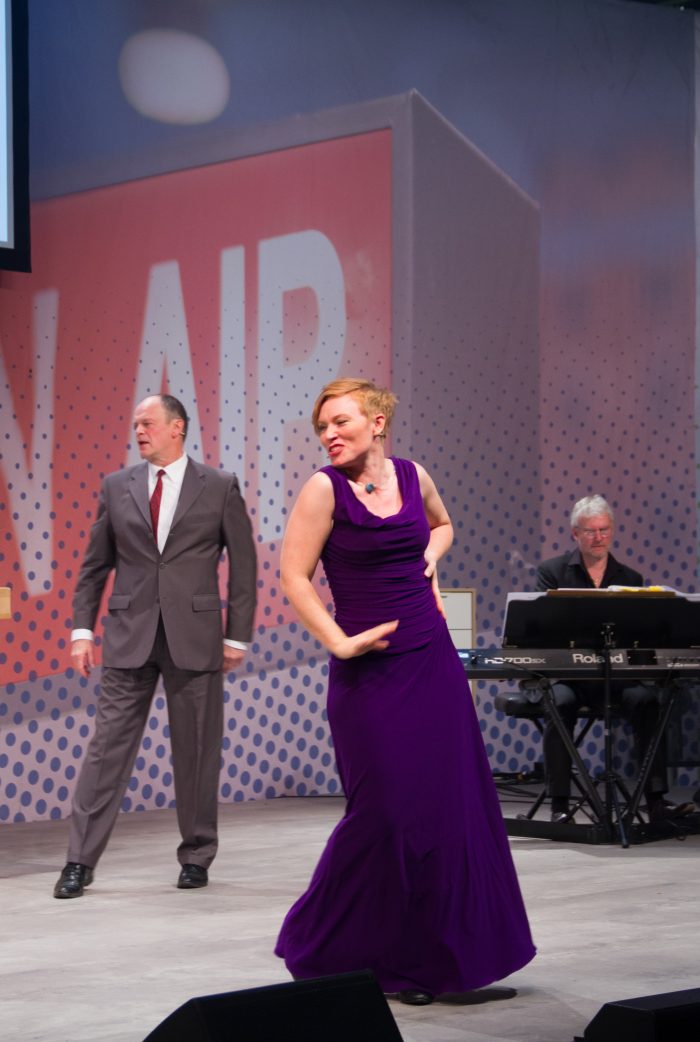
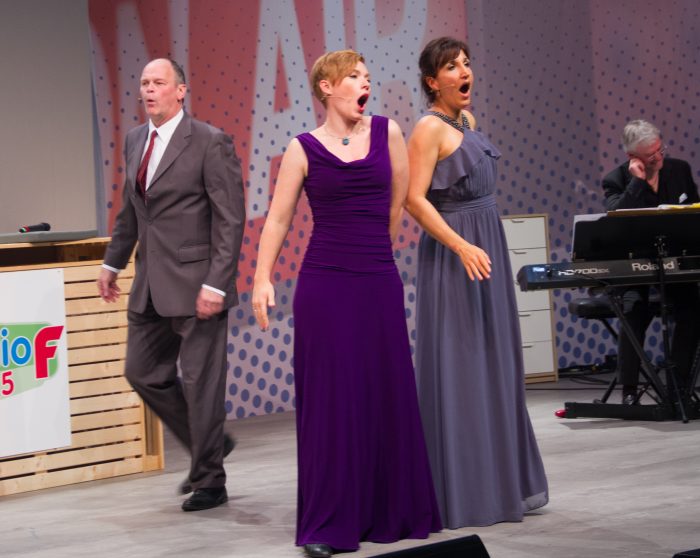
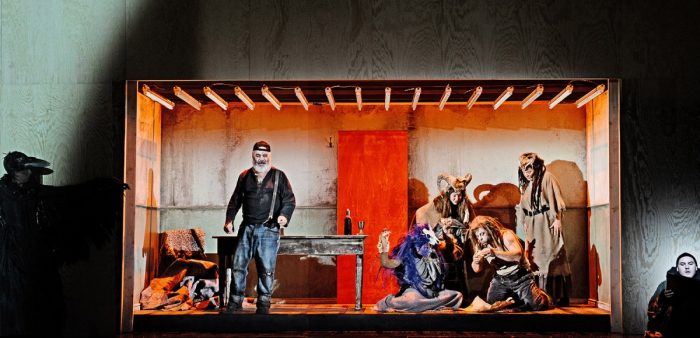
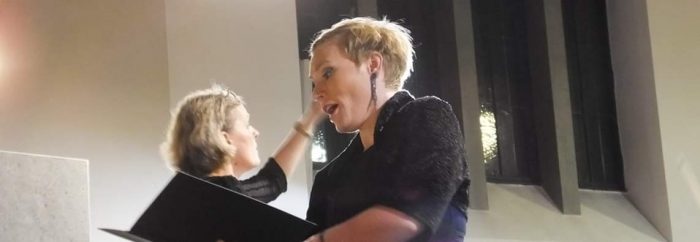
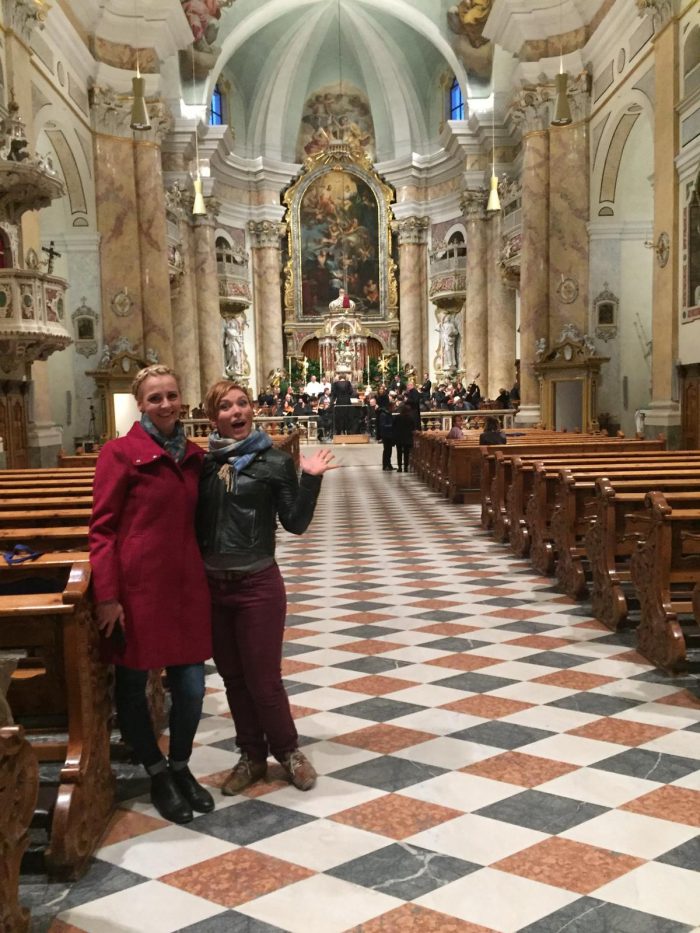
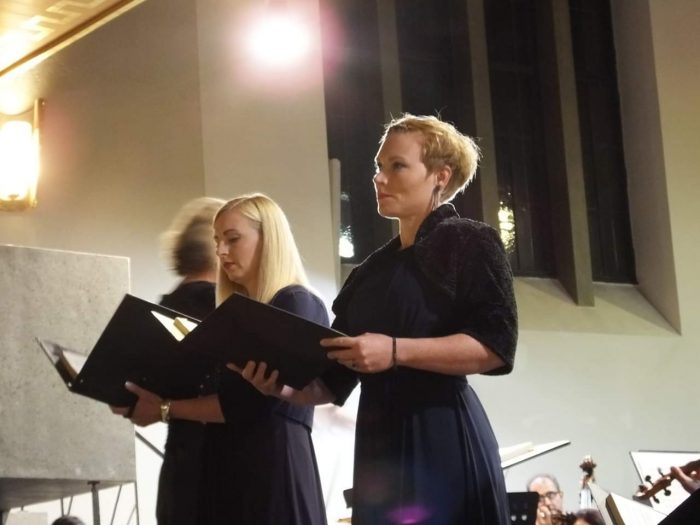

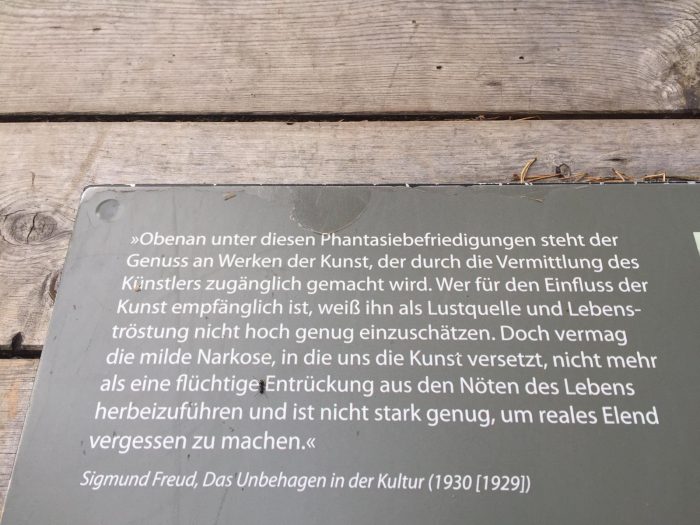

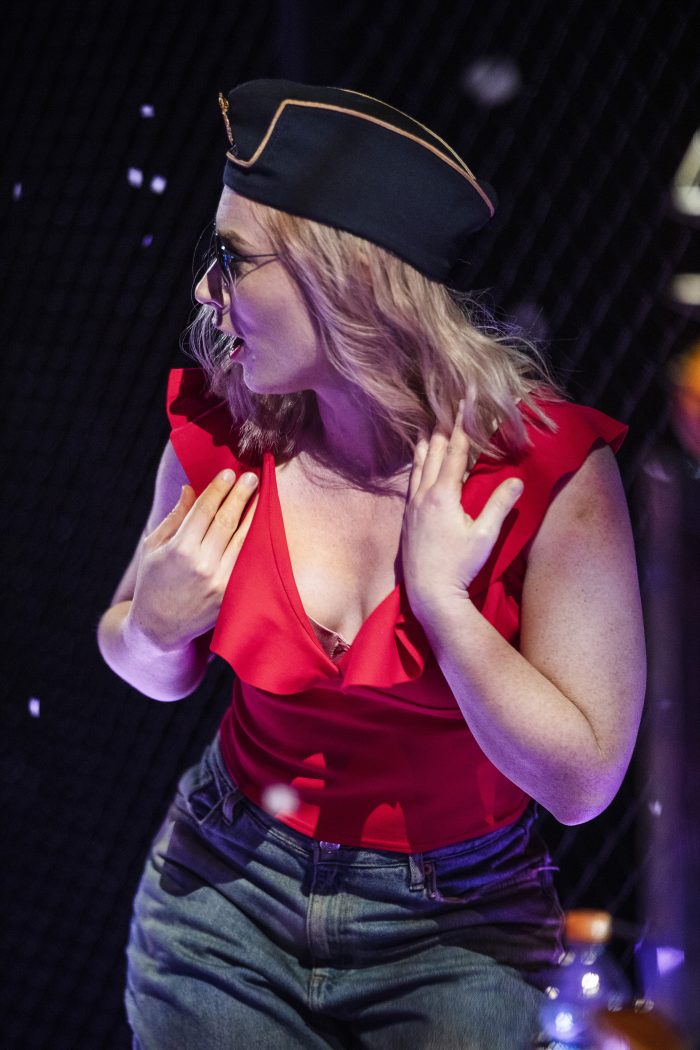
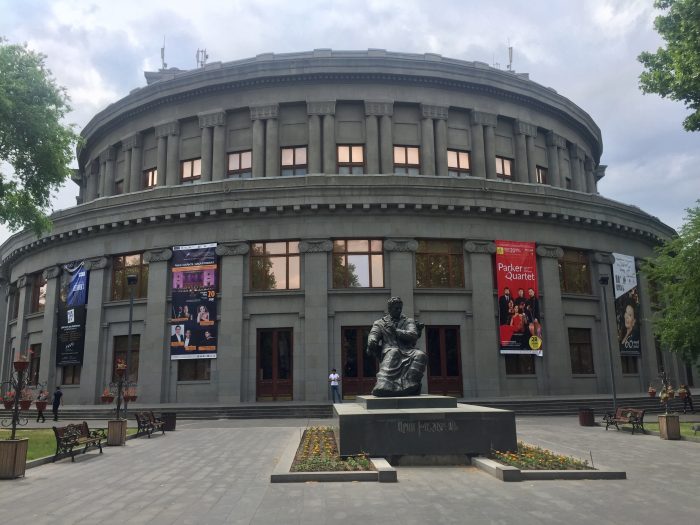
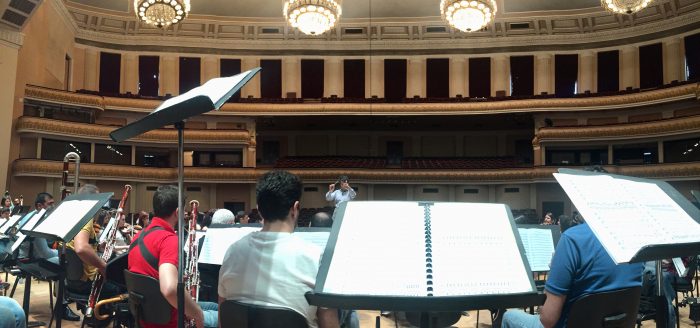
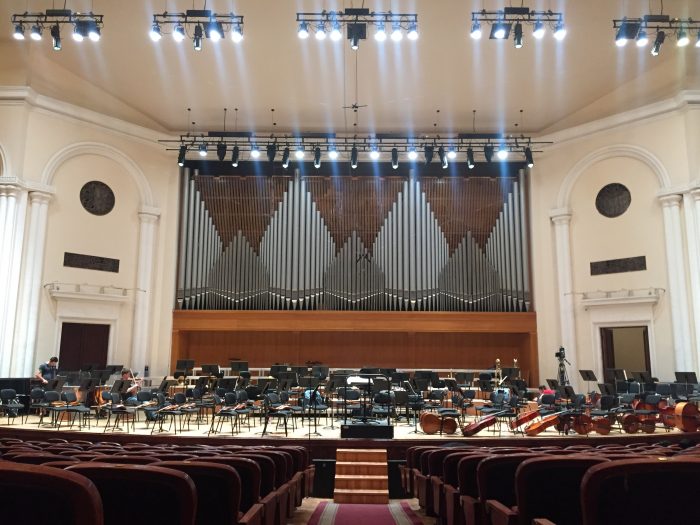
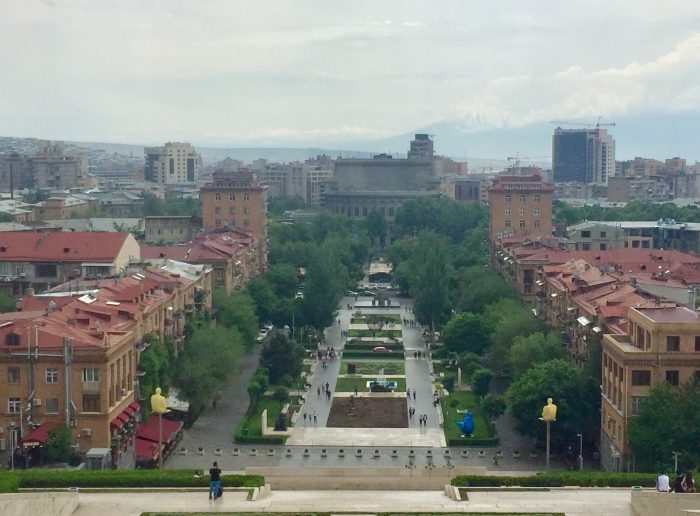
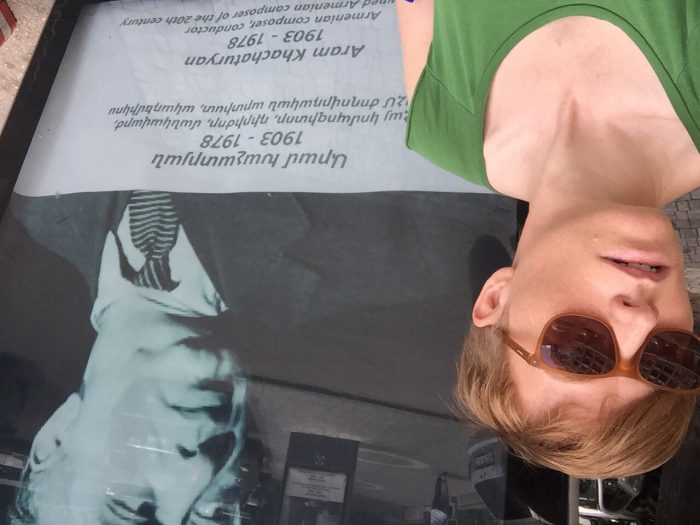
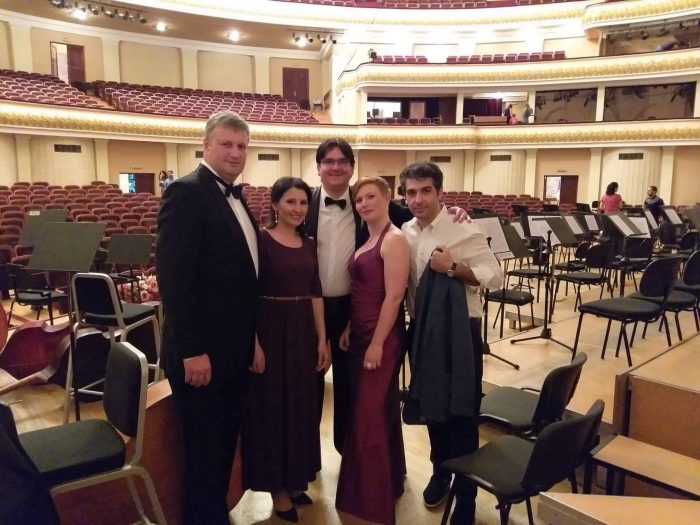
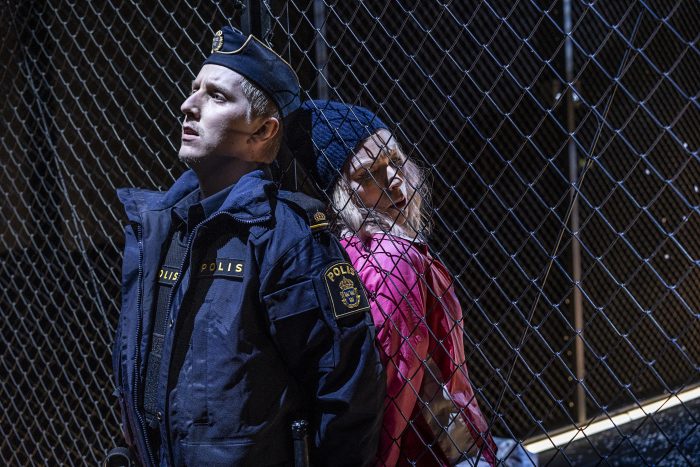
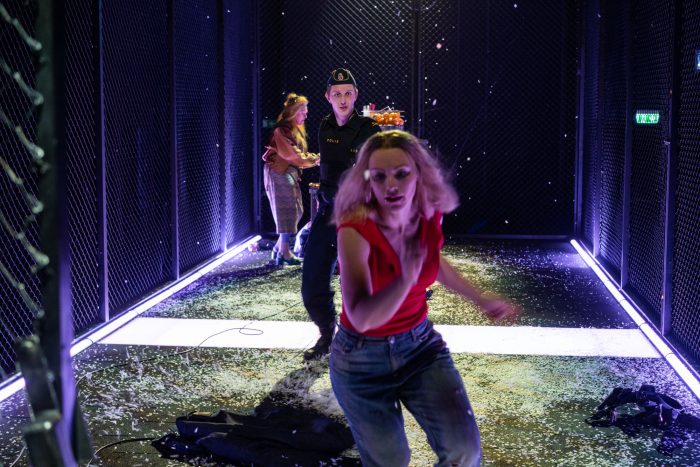
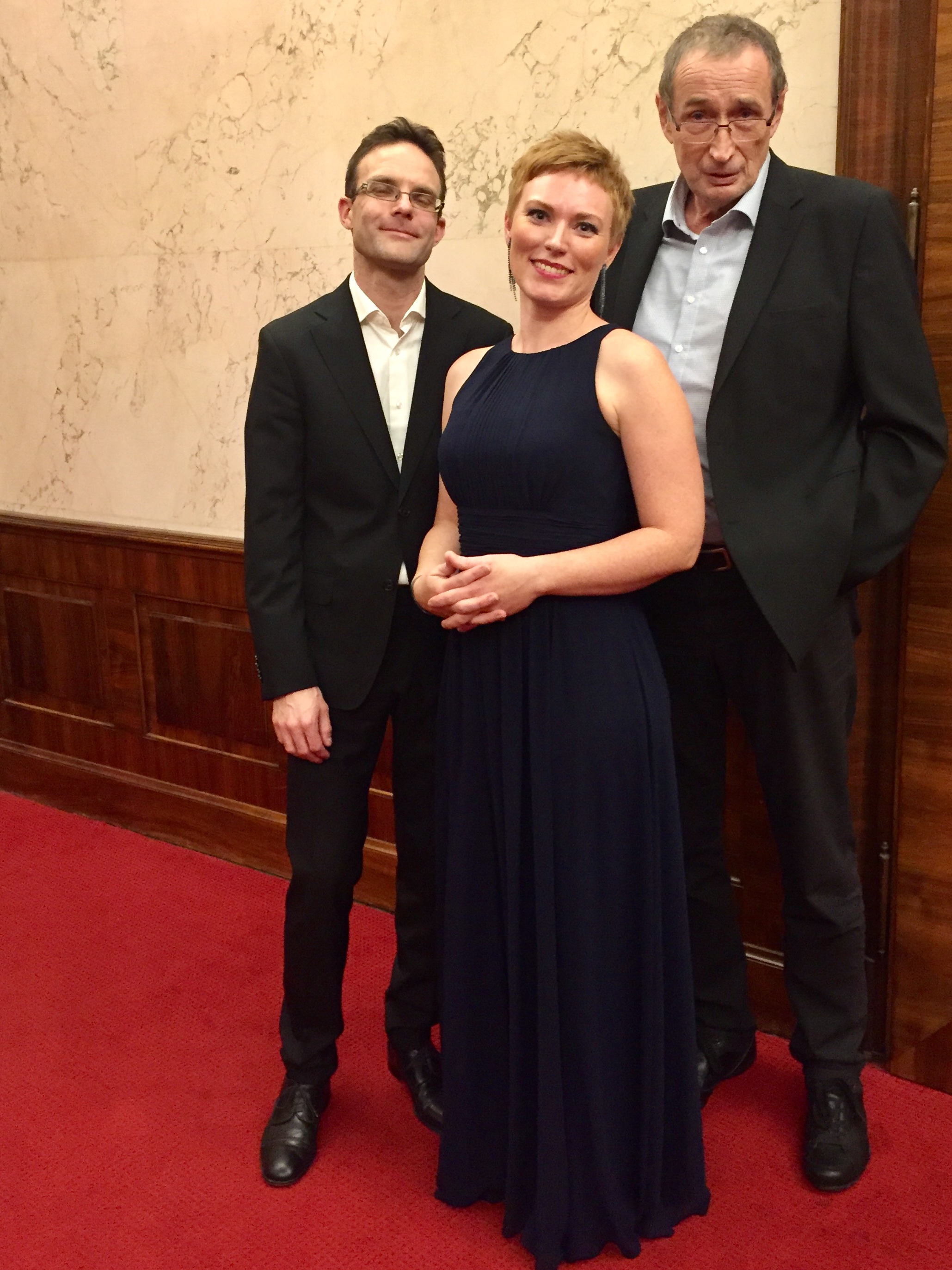
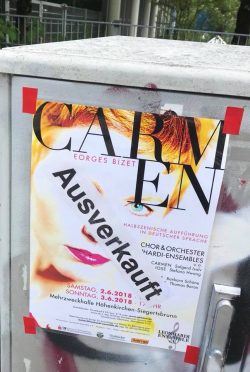
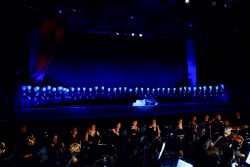
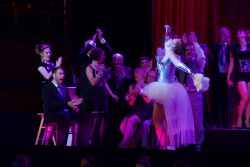
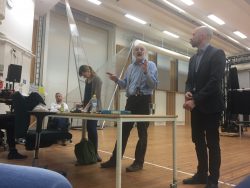
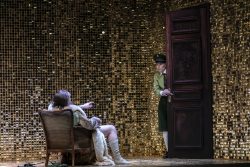
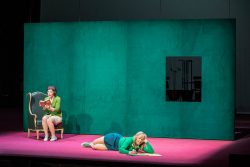
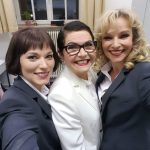
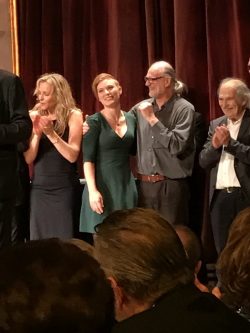
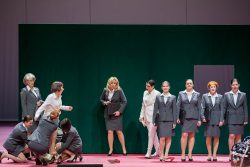
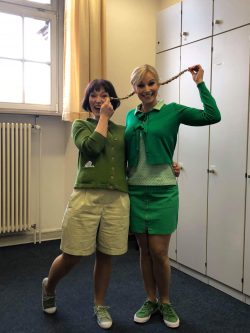 Yesterday piano dress and today orchestra rehearsal 1 and 2. First act. We continue with the later acts after the weekend. To say that the orchestra sounds quite different than the piano score would be an understatement. It’s well orchestrated though, mostly quite singer friendly. These rehearsals are experiences, indeed. I’m looking forward to next week! The last before our premiere!
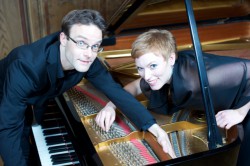 As a result of a long process, long discussions and a lot of research I and Jonas published our three new Lied-programmes last week. We are offering three exciting and very different programmes for the upcoming seasons.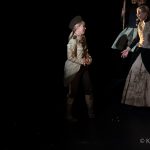

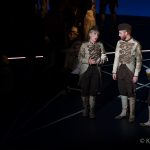
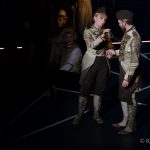
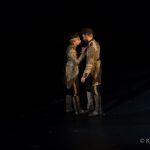
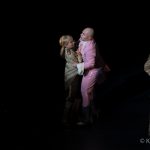
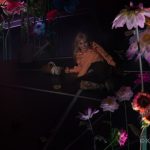
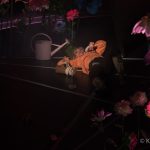
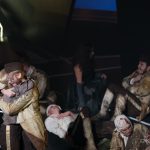
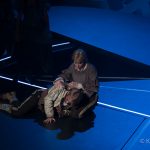
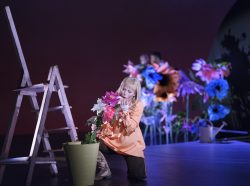 The time has come. Only the dress rehearsal to go and on Thursday, October the 5th, we have premiere!!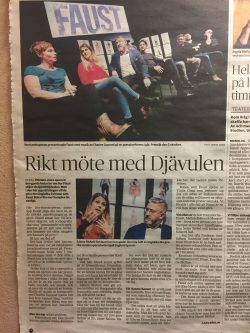
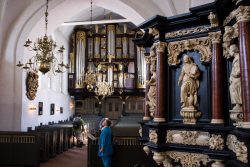
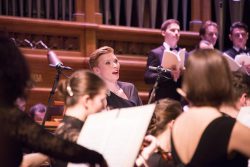 Moscow State Symphony Orchestra
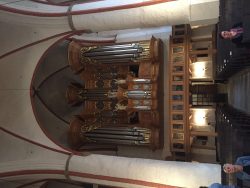
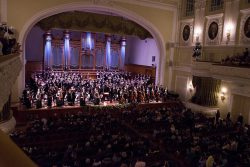 The Great Hall of the Moscow conservatory is one of the most famous concert venues not only in Moscow and Russia but in the world. Maestro Kogan told me it is (supposed to be) acoustically one of the five finest concert halls in the world. It was opened in 1901 and
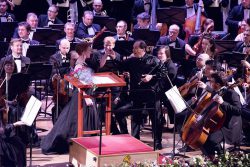 mportant composers looking down at you when standing on stage. The hall has 1737 seats and our concert of Mendelssohn’s St. Paul was sold out. I enjoyed myself so much that I didn’t even get really nervous.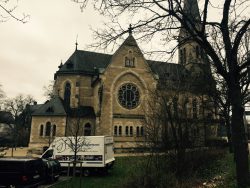
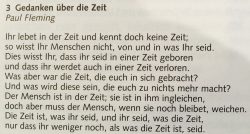 the actual distances in Franconia and this part of Germany. I prefer train but the travel times didn’t allow it.
 It was my first encounter with the composer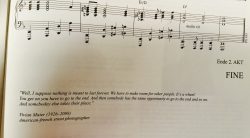
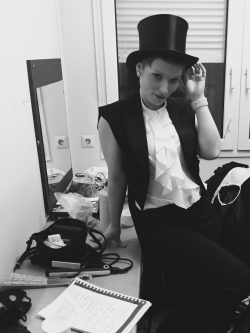 these are the days when many of us sit down and round up the passed year and set our plans for the new year in action. The tax returns need to be prepared for, travels booked, scores bought etc. But maybe most important to take a few minutes and quietly celebrate the victories that one has achieved and learn from what went less good. Life is about improving, if only in a small way – there is always something to learn.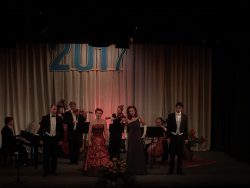
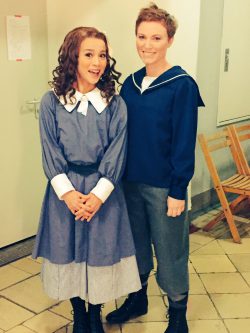 ing paid for it. Great stuff. Happy for the possibility to sing my first Hänsel, after finishing my studies, in such a beautiful, intelligent production (in my taste) and with such lovely and well singing colleagues.
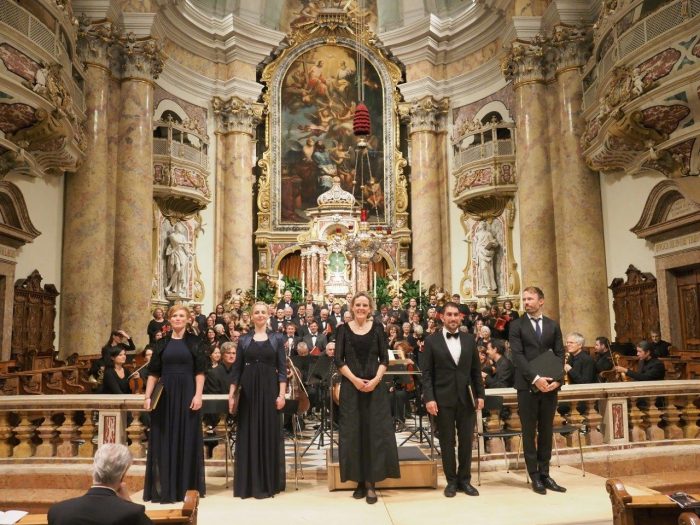
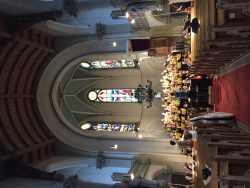
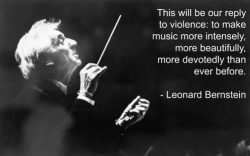
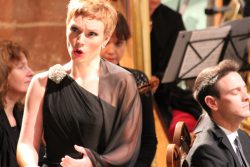 This last Saturday I faced one of my greatest challenges so far technically and musically. A fantastic opportunity to which I couldn’t say no. Brahm’s Alto Rhapsody, Mahler’s Kindertotenlieder, Bernstein’s Jeremiah and Chichester-Psalms – in one concert,a part of the church music festival in Fürth. Music that I’ve dreamed about singing for so long. As an audience member said afterwards, when thanking me, “This concert was as a gift for you”. Yes, it was. But a challenge; Not only to master these incredibly complicated and intricate pieces, each and one alone enough for one evening, mentally and emotionally but also to “survive” vocally.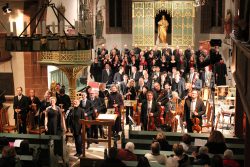
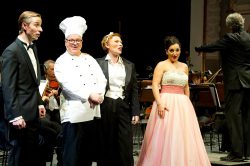 t, Theaterfest -very popular, and this season, a matinee. Bel canto-matinee. Three Sunday’s at 11 o’clock. With the philharmonic orchestra, conducted by Guido Johannes Rumstadt, and soloists from the ensemble.
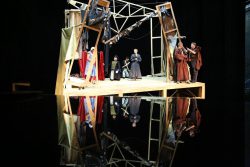 The real opening of the season, the premiere of Boris Godunov (the 1869 version), was a grand success. Even for me with my tiny little part as the Innkeeper. Combine director Peter Konwitschny (set and costumes by Timo Dentler and Okarina Peter) and Russian opera and “everyone” comes. I was honoured with mentions in Süddeutsche Zeitung, Frankfurter Allgemeine und Opernwelt. Considering that I’m on stage only in one scene and sing about 10 minutes, I’m rather proud. The big praise went, as it should, to my fantastic colleagues Nicolai Karnolsky, Alexey Birkus, David Yim and Tillman Unger.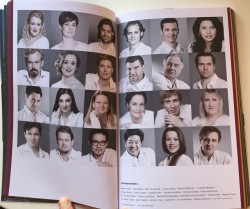
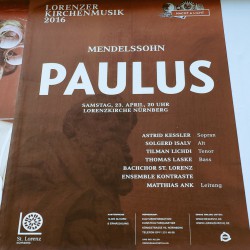 Bachchor St.Lorenz